
Gochujang Butter Bean Noodle Bowls
These Gochujang Butter Bean Noodle Bowls are a quick, spicy, and protein-packed dinner that comes together in 30 minutes. Perfect for busy weeknights!
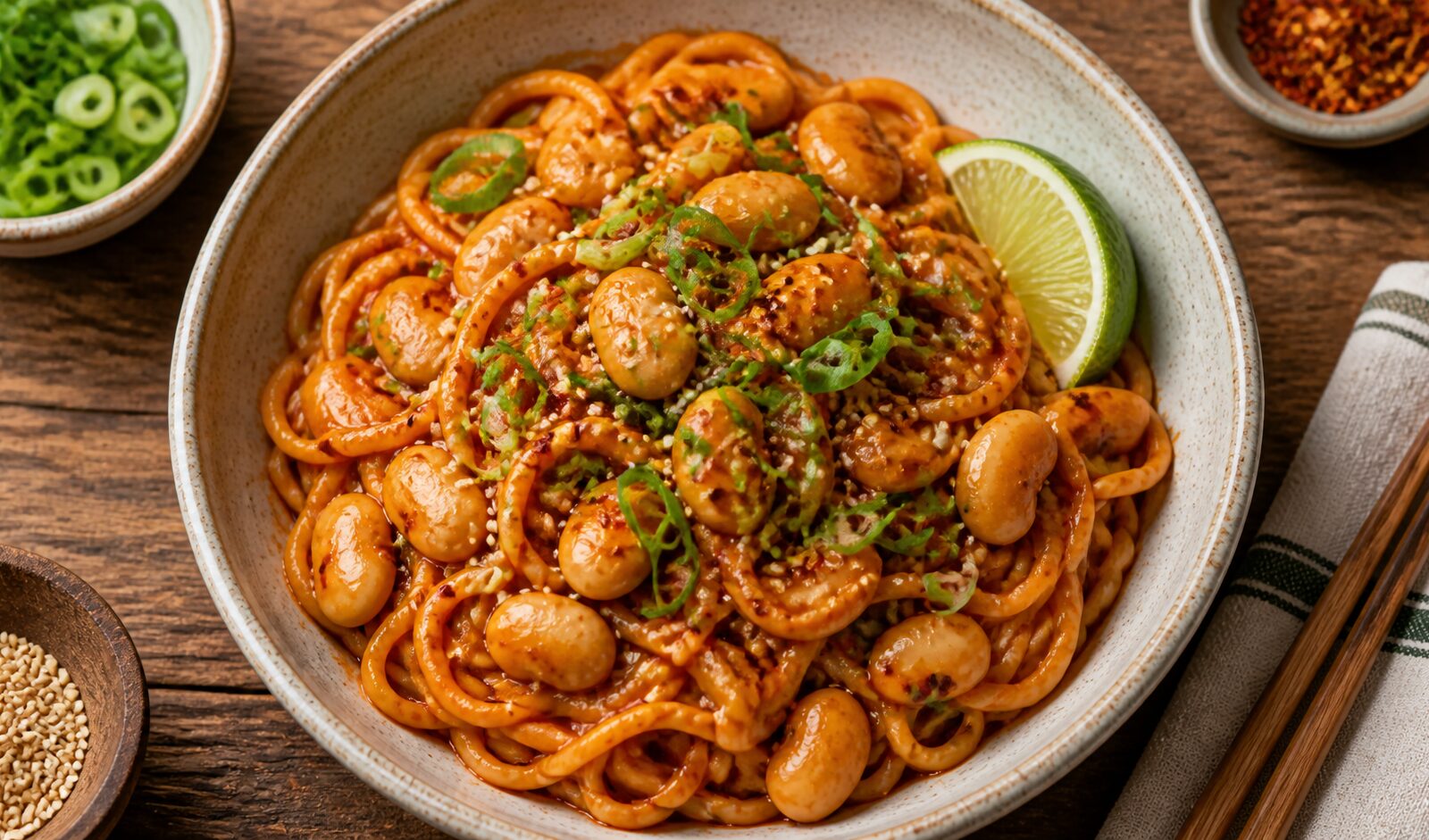
Looking for a dinner that's both comforting and packed with protein? These Gochujang Butter Bean Noodle Bowls are exactly what you need. They're creamy, spicy, and loaded with tender butter beans—all tossed with noodles in a savory gochujang sauce. Best of all, this butter bean pasta dinner comes together in just 30 minutes, making it a perfect spicy easy weeknight meal for busy families.
Butter beans (also called lima beans) are a fantastic source of plant-based protein and fiber. Combined with the bold, fermented heat of gochujang (Korean chili paste), you get a sauce that clings to every noodle. This recipe is naturally vegan and gluten-free if you choose the right noodles, so it's adaptable for almost any diet.
Whether you're new to cooking with gochujang or a seasoned pro, these protein noodle bowls are forgiving and fun to make. Let's get cooking!
Why You'll Love This Recipe
- Ready in 30 minutes: Perfect for those hectic evenings when you need dinner on the table fast. This gochujang butter bean noodles recipe is a lifesaver.
- Packed with protein: Each serving delivers over 20 grams of protein thanks to the butter beans and optional tofu or egg. Great for post-workout or keeping the family full.
- Creamy, spicy sauce: The gochujang adds a deep, savory heat, while coconut milk or cream makes it luscious. No bland dinners here!
- One-pot simplicity: Minimal cleanup—everything cooks in a single pot or large skillet. Less time washing dishes means more time relaxing.
- Customizable heat: Adjust the gochujang to your family's spice tolerance. Use less for mild, more for fiery.
- Budget-friendly: Butter beans and noodles are pantry staples that won't break the bank. A delicious butter bean pasta dinner that's economical.
- Meal prep friendly: Make a double batch and enjoy lunches all week. The flavors only get better overnight.
- Beginner-friendly: Simple steps and forgiving ingredients—anyone can make this spicy easy weeknight meal with confidence.
Ingredients
- 8 ounces (225 g) noodles: Use udon, soba, rice noodles, or regular spaghetti. Choose gluten-free if needed.
- 1 tablespoon (15 ml) vegetable oil: Or any neutral oil like avocado or canola.
- 4 cloves garlic, minced: Fresh garlic gives the best flavor.
- 1 tablespoon (15 g) fresh ginger, grated: Adds warmth and zing.
- 2 tablespoons (30 g) gochujang: Korean chili paste. Adjust to taste.
- 1 tablespoon (15 ml) soy sauce or tamari: For umami. Use tamari for gluten-free.
- 1 tablespoon (15 ml) maple syrup or brown sugar: Balances the heat with sweetness.
- 1 can (14 oz / 400 g) butter beans, drained and rinsed: Also called lima beans. They're creamy and mild.
- 1/2 cup (120 ml) full-fat coconut milk or heavy cream: For creaminess. Coconut milk keeps it vegan.
- 1/2 cup (120 ml) vegetable broth or water: To thin the sauce.
- 1 cup (150 g) frozen peas: Optional but adds color and sweetness.
- For garnish: Sliced green onions, sesame seeds, chili flakes, and a squeeze of lime.
Optional Substitutions
- Noodles: Swap for zucchini noodles (zoodles) for a low-carb option, or use shirataki noodles for fewer calories. Cooking time will vary.
- Butter beans: Can't find them? Use cannellini beans, chickpeas, or edamame. Chickpeas will give a different texture but still great protein.
- Coconut milk: Use oat cream, cashew cream, or regular heavy cream for richer flavor. Oat cream keeps it vegan.
- Gochujang: Mix sriracha with a bit of miso paste for a similar flavor profile. Not exact but works in a pinch.
- Soy sauce: Use coconut aminos for soy-free or liquid aminos. Tamari is also gluten-free.
- Sweetener: Skip it if you prefer less sweet. The natural sweetness of peas or corn can balance the heat.
- Add protein: Boost with cubed tofu, tempeh, edamame, or shredded chicken. Sear tofu separately and add at the end.
- Vegetables: Stir in spinach, bok choy, or bell peppers along with the peas for extra nutrients.
Instructions
- Cook the noodles according to package directions until al dente. Drain, rinse with cold water to stop cooking, and toss with a little oil to prevent sticking. Set aside.
- In a small bowl, whisk together gochujang, soy sauce, maple syrup, and 2 tablespoons of water. Set aside.
- Heat oil in a large skillet or wok over medium heat. Add garlic and ginger, and cook for 30 seconds until fragrant, stirring constantly so they don't burn.
- Add the gochujang mixture to the pan and stir for 1 minute. It will thicken slightly.
- Pour in the coconut milk and vegetable broth, stirring to combine. Bring to a gentle simmer.
- Add the drained butter beans and frozen peas (if using). Cook for 3–4 minutes, letting the beans warm through and the sauce thicken to a nice coating consistency.
- Taste and adjust seasoning: Add a pinch of salt if needed, or more gochujang for extra heat. If the sauce is too thick, add a splash of broth.
- Add the cooked noodles to the skillet and toss gently to coat them evenly with the sauce. Cook for 1–2 minutes until everything is hot.
- Remove from heat. Divide into bowls and garnish with sliced green onions, sesame seeds, chili flakes, and a lime wedge if desired.
- Serve immediately and enjoy the creamy, spicy goodness!
Pro Tips
- Don't overcook the noodles—they'll continue to cook slightly when added to the sauce. Aim for al dente.
- Rinse the noodles with cold water after draining to remove excess starch and prevent clumping.
- Use full-fat coconut milk for the creamiest sauce. Lite coconut milk can make the sauce watery.
- Toast your sesame seeds in a dry pan for a minute until golden for extra nuttiness.
- Add the gochujang gradually if you're unsure about spice level. You can always add more.
- If using tofu as extra protein, press and cube it, then pan-fry until golden before adding to the sauce.
- To make it a one-pot meal, cook the noodles first, remove them, then make the sauce in the same pot. Saves washing.
- For a thicker sauce, let it simmer an extra minute without the noodles. The longer it cooks, the more it reduces.
- Store leftover sauce separately from noodles if meal prepping to prevent sogginess.
- Garnish with fresh herbs like cilantro or Thai basil for a fresh twist.
Variations and Substitutions
- Make it gluten-free: Use rice noodles or soba noodles (check they're 100% buckwheat) and tamari instead of soy sauce.
- Kick up the veggies: Add sautéed mushrooms, zucchini, or shredded carrots along with the peas.
- Creamy peanut version: Replace half the coconut milk with peanut butter for a Thai-inspired peanut sauce. Omit gochujang or use less.
- Gochujang butter bean soup: Add extra broth (2 cups) and skip the noodles for a hearty soup. Serve with crusty bread.
- Add a fried egg: Top each bowl with a sunny-side-up egg for extra richness and protein. The yolk mixes beautifully with the sauce.
- Swap butter beans for chickpeas: Roast chickpeas with a little oil and salt for 15 minutes at 400°F, then add to the sauce for a crunchy twist.
- Use leftover roasted vegetables: Stir in any leftover roasted broccoli, sweet potatoes, or bell peppers.
- Make it a salad: Serve the sauce and beans over a bed of greens with a light dressing instead of noodles.
Storage and Reheating
Fridge
Store leftovers in an airtight container in the refrigerator for up to 4 days. Keep the sauce and noodles separate if possible to prevent noodles from getting mushy.
Freezer
This dish freezes well for up to 3 months. Freeze in a freezer-safe container, leaving some room for expansion. Thaw overnight in the fridge before reheating.
Reheating
Reheat in a skillet over medium-low heat with a splash of water or broth to loosen the sauce. Stir frequently until hot. You can also microwave in 30-second bursts, stirring in between. For best texture, avoid boiling the noodles.
FAQ
Can I use lima beans instead of butter beans? Yes, butter beans and lima beans are the same thing. Just ensure they are cooked and tender.
Is this recipe vegan? Yes, as written using coconut milk and no animal products. Double-check your noodles (some fresh pasta contains eggs). It's also gluten-free if using rice noodles and tamari.
Can I make this ahead of time? Absolutely! Prepare the sauce and cook the noodles separately. Refrigerate in separate containers. When ready to serve, reheat the sauce, add noodles, and toss.
How spicy is this dish? With 2 tablespoons of gochujang, it has a medium heat—similar to a mild sriracha. Reduce to 1 tablespoon for less spice, or add a teaspoon of gochugaru (Korean chili flakes) for more kick.
What can I serve with this? A simple side of steamed vegetables like broccoli or a quick cucumber salad pairs nicely. Kimchi or pickled radish also complement the flavors.
Can I use a different noodle? Yes! Udon, soba, ramen, spaghetti, or even angel hair work. Adjust cooking time as needed.
My sauce is too thin. How can I thicken it? Let it simmer uncovered for a few extra minutes. You can also mix 1 teaspoon cornstarch with 2 teaspoons cold water and stir it in.
Will kids enjoy this? Many kids love the creamy, slightly sweet sauce. Reduce gochujang to 1 tablespoon and add a little more maple syrup to make it milder. Serve with a side of plain noodles for picky eaters.
Nutrition Information
Nutritional values are estimated and can vary depending on the ingredients used.
Save this recipe
Print and download options unlock in 30 seconds.
