
15-Minute Budget Friendly Recipes for Busy Families
Feed your family healthy, high-protein dinners with budget friendly recipes that require less than 15 minutes of active prep.
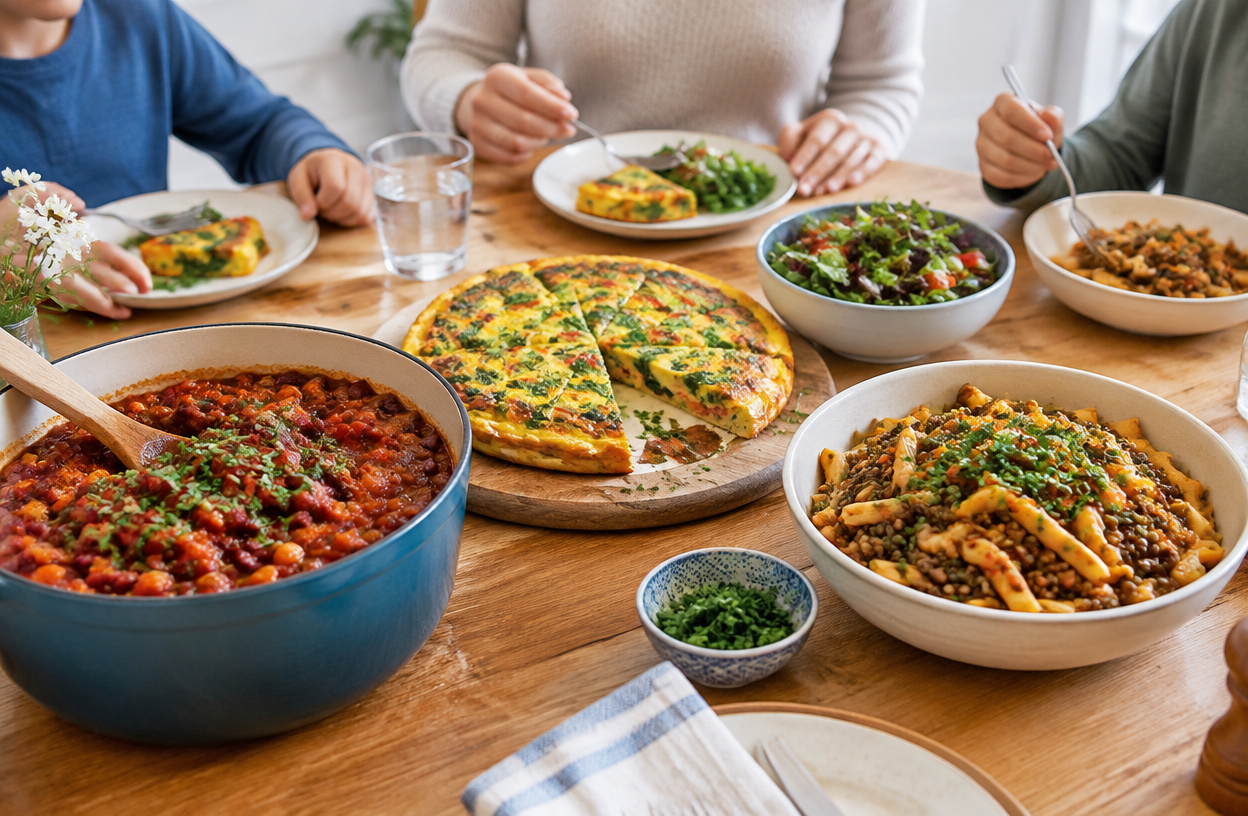
Eat well for less by using versatile, high-protein staples in these budget friendly recipes. Every meal takes less than 15 minutes of active prep. You save money and time by using smart ingredient swaps that maintain high nutrition.
Quick Budget Tips
- Prioritize eggs, beans, and lentils as the most affordable high-protein bases.
- Use 'component prep' to save time and reduce food waste.
- Swap fresh herbs and specialty creams for dried versions and Greek yogurt.
- Build meals around a single seasonal vegetable and a bulk grain.
What are the cheapest high-protein ingredients for kids?
Eggs, dried beans, lentils, canned tuna, and cottage cheese are the most cost-effective high-protein ingredients for children. These staples provide essential amino acids and minerals without the high price tag of fresh steak or organic poultry, making budget high protein meals accessible for every family.
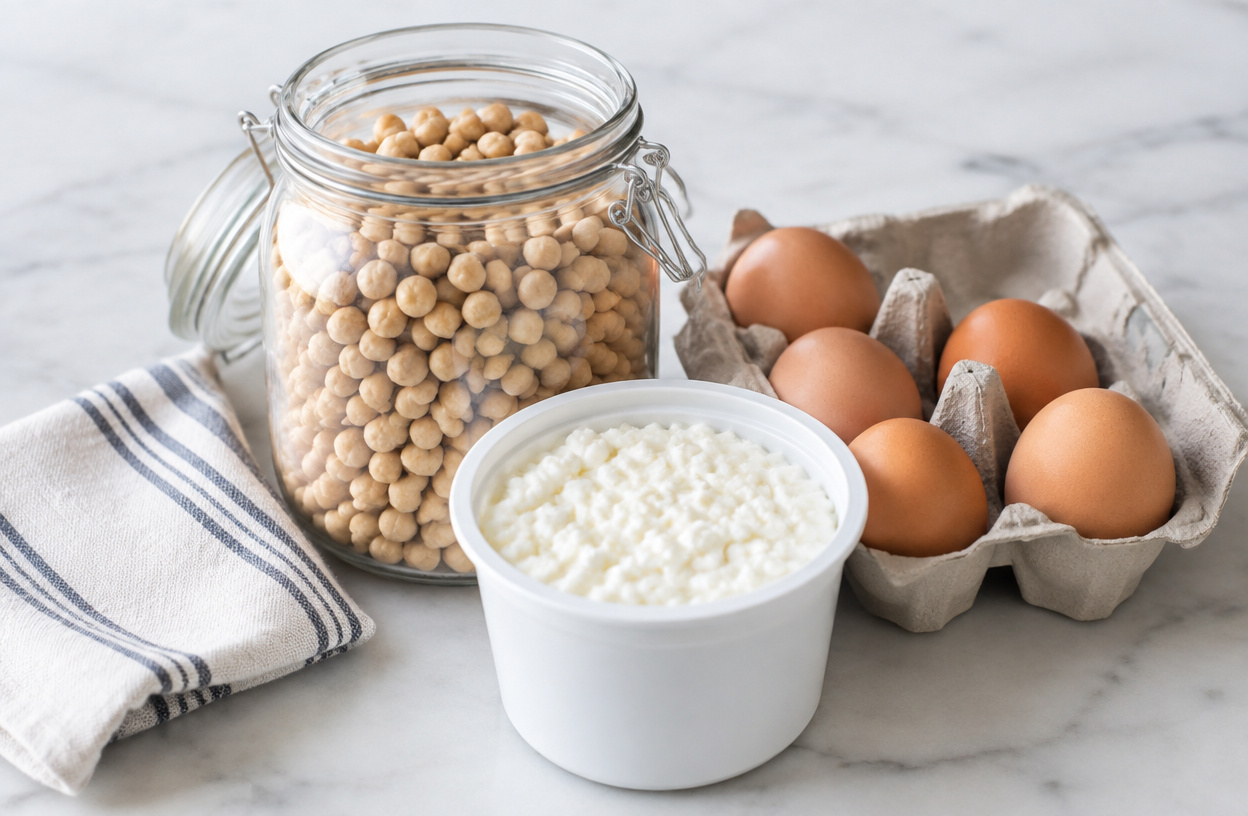
| Protein Source | Why It Works for Kids | Budget Advantage |
|---|---|---|
| Eggs | Mild flavor; easy to scramble or hard-boil. | Lowest cost per gram of complete protein. |
| Dried Beans/Lentils | Can be mashed into sauces or used in tacos. | Fraction of the cost of canned versions. |
| Canned Tuna | Quick prep for sandwiches or salads. | Long shelf life prevents food waste. |
| Cottage Cheese | Creamy texture that mimics melted cheese. | High casein protein for long-term fullness. |
Maximizing Nutrition on a Budget
Dried legumes offer the best value because you control the sodium. Soak dried beans overnight to reduce cooking time and improve digestion for sensitive stomachs. You can blend cooked lentils into pasta sauce to sneak protein into cheap healthy family meals without changing the taste.
Canned tuna is a versatile pantry staple. Pair it with legumes for a filling meal, such as tuna butter bean picnic boxes, which keep kids full until dinner.
Cottage cheese serves as a powerful protein booster in both sweet and savory dishes. Use it as a creamy base or a hearty topping in recipes like cottage cheese cornbread chili bowls to add density and nutrition to a budget-friendly dinner.
How can I feed my family healthy meals on a tight budget?
Feeding your family healthy meals on a budget requires building dinners around “anchor” ingredients. You save money by pairing one low-cost protein with a bulk grain and a seasonal vegetable to create filling, nutritionally balanced plates.
The anchor method prevents expensive impulse buys. Instead of searching for a complex recipe, you choose a cheap base and add fresh produce that is currently in season. This strategy keeps your grocery bill low while ensuring your kids get essential vitamins.
The Budget Meal Formula
Use this simple combination to create affordable weeknight dinner ideas that satisfy picky eaters:
- One Cheap Protein: Dried beans, lentils, eggs, or canned tuna.
- One Bulk Grain: Brown rice, oats, quinoa, or whole-wheat pasta.
- One Seasonal Vegetable: Frozen peas, carrots, or cabbage.
For example, combine black beans with corn and brown rice for a hearty bowl. If you have ground meat on hand, a ground beef and rice skillet provides a complete meal using basic pantry staples.
Maximizing Your Ingredients
To keep cheap family dinners healthy, avoid pre-cut vegetables or pre-marinated meats. These convenience items often double the price of the ingredient. Buy whole carrots or heads of broccoli and chop them yourself to save money.
Frozen vegetables are often more nutritious than “fresh” options that have traveled thousands of miles. They are picked at peak ripeness and cost significantly less per pound, making them a reliable choice for any budget-friendly meal plan.
The Most Versatile Ingredients for Budget Friendly Recipes
Potatoes, carrots, onions, and frozen spinach are the most versatile budget-friendly ingredients because they fit into almost any cuisine. These staples keep your grocery bill low while preventing flavor fatigue by adapting to different seasonings and cooking methods.
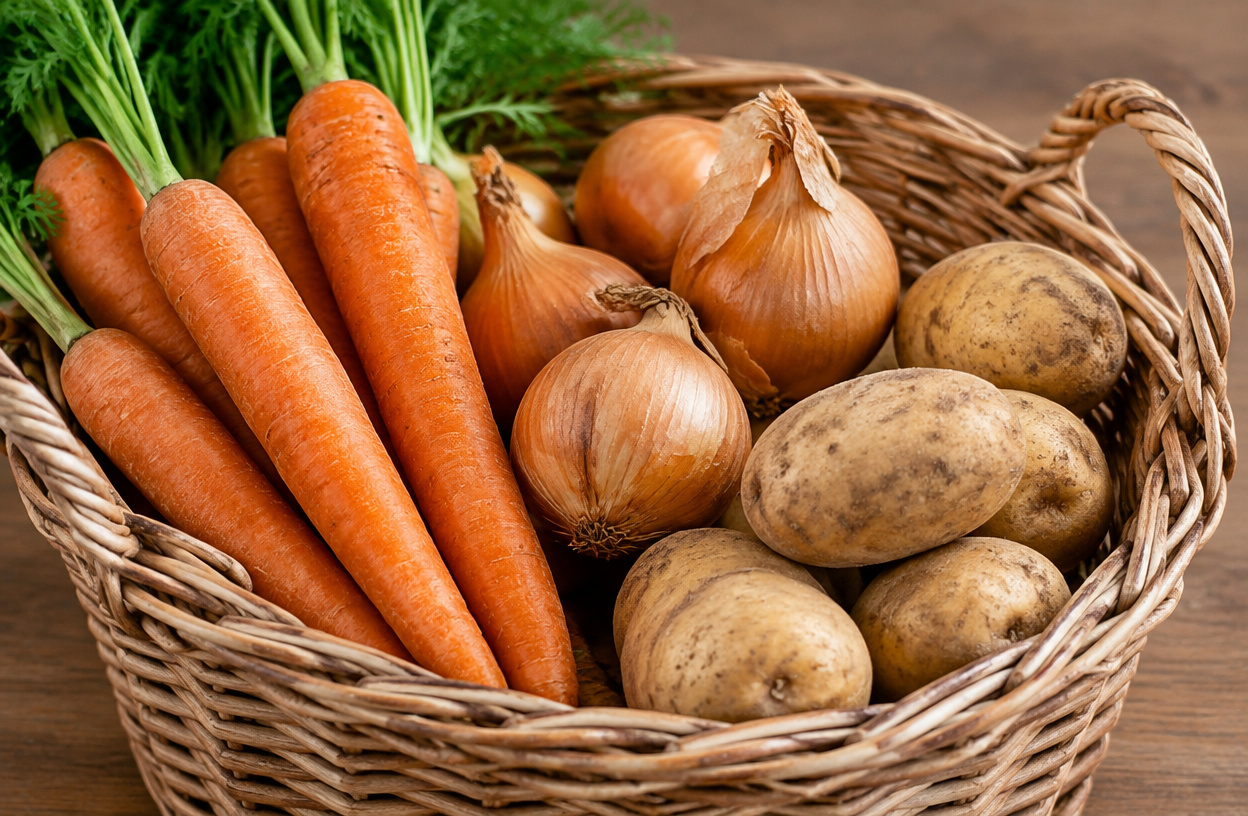
- Potatoes: Mash them for a side, roast them in cubes, or blend them into a 5-ingredient creamy potato soup. They provide a filling base that satisfies picky eaters.
- Carrots: Use one large bag for three different purposes. Slice them for a slow-cooker roast, dice them into a hearty vegetable soup, or serve them raw as a crunchy snack with dip.
- Onions: These form the flavor foundation for Mexican, Italian, and American dishes. Sauté them for a savory base or slice them raw for salads.
- Frozen Spinach: This lasts longer than fresh greens and sneaks into many budget friendly recipes. Stir it into pasta sauce, fold it into omelets, or mix it into smoothies.
How to prevent flavor fatigue
Switching the preparation method changes the entire profile of the meal. Roast carrots with honey for a sweet glaze, then steam them with salt and pepper the next night for a savory side.
Use different acids to shift the cuisine. A squeeze of lime and some cumin turns potatoes and onions into a taco filling. A splash of vinegar and dried oregano moves those same ingredients toward a Mediterranean roast.
Can I meal prep on a budget without spending hours in the kitchen?
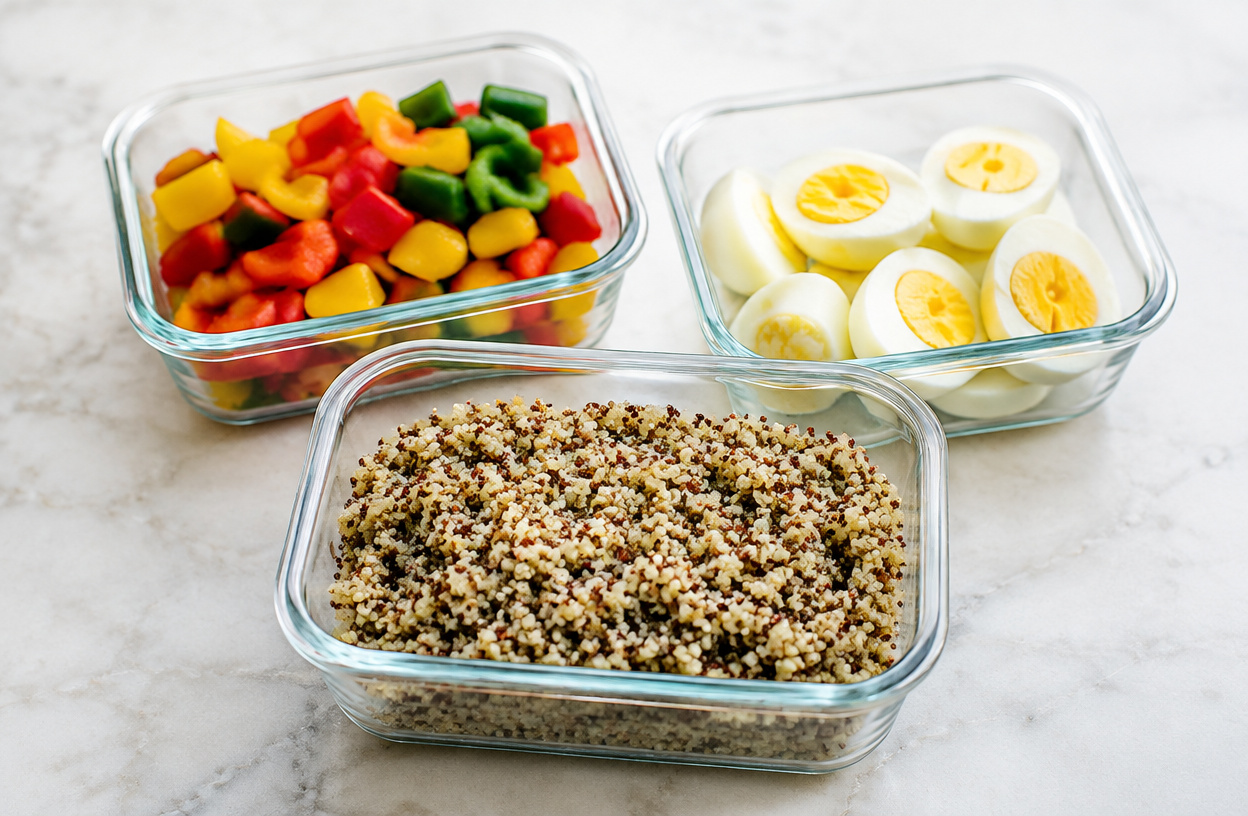
Component prep allows you to save money and time by preparing individual building blocks instead of full meals. You spend one hour prepping versatile bases that work across several different recipes, avoiding the tedious process of filling a dozen individual containers.
The Component Prep Method
Traditional meal prep often leads to food waste when you tire of eating the same dish five days in a row. Low cost meal prep works better when you focus on “bases” and “mix-ins.”
- Pick one versatile base. Roast three pounds of sweet potatoes or boil a large pot of quinoa.
- Store the base in one large container. Keep the bulk ingredient together rather than dividing it into small portions.
- Pair the base with different flavors. Use your roasted potatoes for stuffed sweet potatoes on Monday, a taco bowl on Tuesday, and a breakfast hash on Wednesday.
- Add fresh proteins or greens at the moment of serving. This keeps the texture crisp and prevents the “mushy” feel of reheated pre-made meals.
Why Components Beat Full Meals
Prepping full meals requires you to cook three or four different recipes at once, which clutters your kitchen and consumes your entire Sunday. Component prep reduces your active cooking time because you only manage one heat source and one primary ingredient.
| Method | Time Spent | Flexibility |
|---|---|---|
| Full-Meal Prep | High (3-5 hours) | Low (Same meal daily) |
| Component Prep | Low (1 hour) | High (Mixed and matched) |
What are some cheap substitutes for expensive recipe ingredients?
Cheap substitutes for expensive ingredients allow you to make budget friendly recipes by swapping premium items for affordable alternatives that offer the same texture and taste. Using pantry staples or canned goods reduces your grocery bill without changing the meal’s outcome.
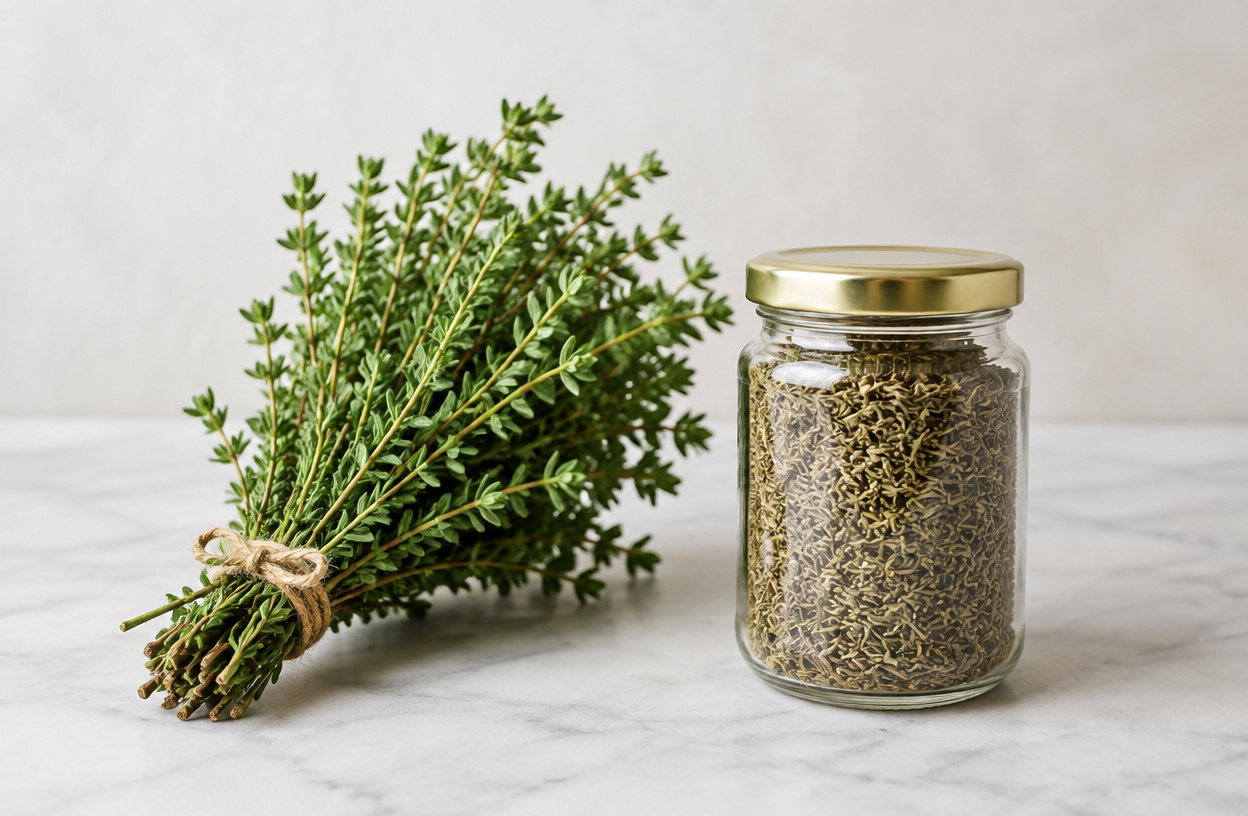
| Expensive Ingredient | Budget Substitute | Why It Works |
|---|---|---|
| Sour Cream | Greek Yogurt | Provides the same creamy tang and thickness. |
| Fresh Plum Tomatoes | Canned Crushed Tomatoes | Offers a concentrated tomato flavor for less money. |
| Fresh Herbs | Dried Herbs | Delivers the core aromatic profile in a shelf-stable form. |
| Pine Nuts | Toasted Sunflower Seeds | Mimics the nutty crunch and earthy taste. |
| Fresh Parmesan | Grated Parmesan (Canister) | Adds a salty, cheesy punch to cheap family dinners. |
How Swaps Affect Flavor
Most substitutions work because they share a similar chemical structure or flavor profile. Greek yogurt contains the same lactic acid as sour cream, so your kids won’t notice the difference in a taco or dip. Canned tomatoes are often riper than store-bought fresh ones, which can actually make your sauces taste richer.
Dried herbs are more potent than fresh, so use a smaller amount. A general rule is to use one teaspoon of dried herbs for every tablespoon of fresh. This prevents the flavor from becoming too intense or bitter.
You can find more ways to save with these Free Tools.
Common Budget Cooking Questions
How do I stop wasting food to save money on groceries?
Use a first-in, first-out system by moving older items to the front of your fridge and pantry. This prevents ingredients from hiding in the back until they expire. Freeze produce that starts to wilt, such as spinach or carrots, to use in future soups or smoothies. You’ll cut your waste and lower your weekly bill.
Are frozen vegetables as healthy as fresh ones?
Frozen vegetables are nutritionally comparable to fresh ones because they are flash-frozen at peak ripeness. They often cost less and last longer, which reduces the amount of food you throw away. Use them in stir-fries or casseroles without worrying about a loss in vitamins. They provide a reliable, low-cost way to keep nutrients on the table.
What is the fastest way to prep beans on a budget?
Buy dried beans in bulk and use a slow cooker or soak them overnight to avoid the high cost of canned versions. Dried beans are significantly cheaper per pound and lack the additives found in cans. Once cooked, freeze them in small portions. This method saves money and cuts your active prep time during the week.
Save this recipe
Print and download options unlock in 30 seconds.
