
Crispy Miso Cabbage Noodle Stir Fry
This crispy miso cabbage noodle stir fry is a savory, umami-packed dinner that comes together in just 30 minutes. Perfect for busy weeknights when you need something quick and comforting.
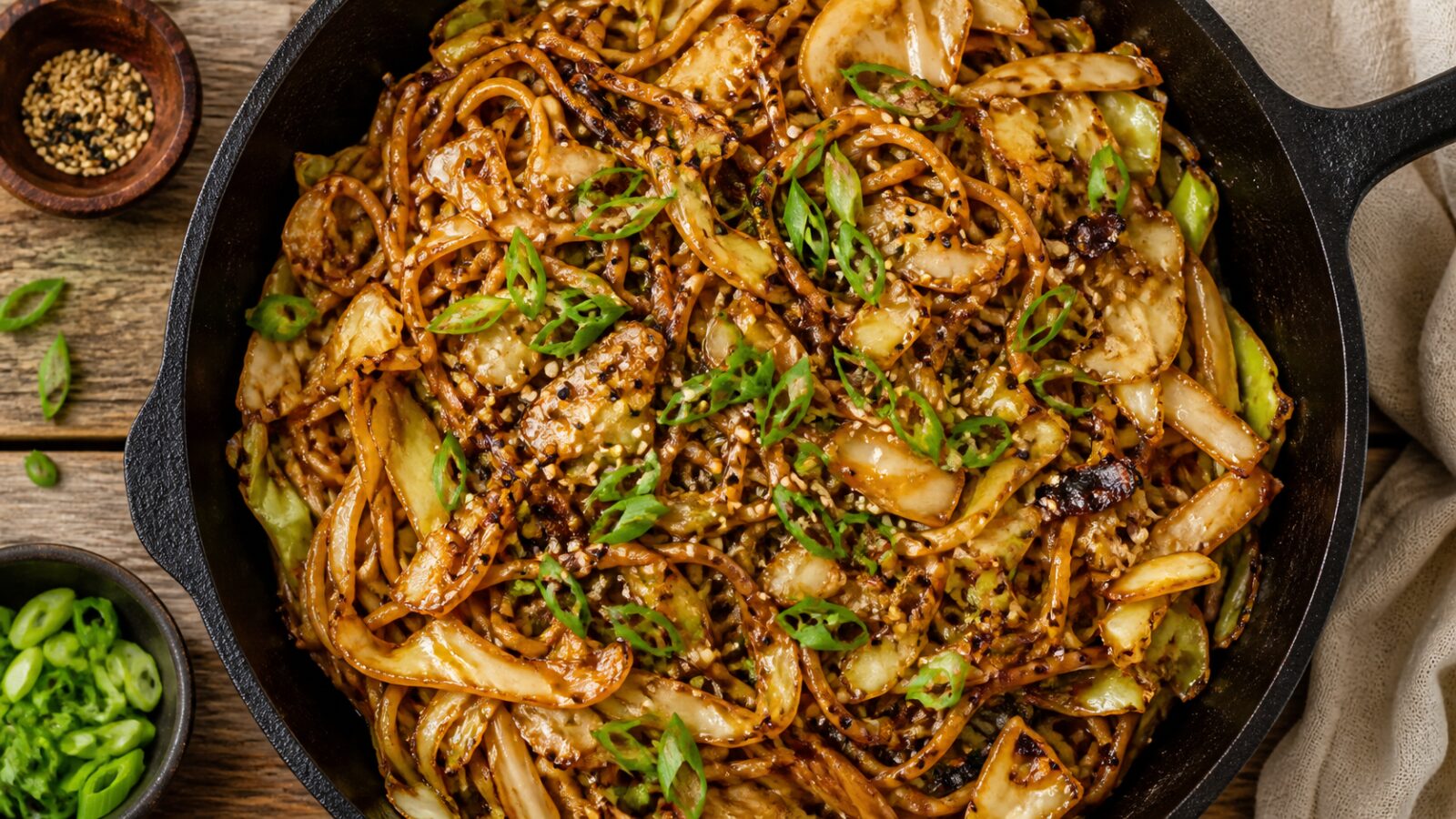
This miso cabbage noodle stir fry is about to become your new favorite weeknight dinner. It brings together the savory depth of white miso, the satisfying chew of noodles, and the slight char and crunch of pan-seared cabbage. The whole thing comes together in about 30 minutes, making it a perfect choice for those evenings when you want something homemade and flavorful without spending hours in the kitchen.
If you've been looking for a quick vegetarian meal that still feels hearty and satisfying, this one hits all the right notes. The miso adds a rich umami flavor that coats every strand of noodle, while the cabbage gets beautifully caramelized at the edges. It's the kind of recipe that makes you excited to eat your vegetables.
This is also a great recipe for using up half a head of cabbage sitting in your fridge. It's flexible, forgiving, and easy to customize with whatever you have on hand. Whether you serve it as a main dish or a side, you'll be coming back to this one again and again.
Why You'll Love This Recipe
- Ready in 30 minutes – from start to finish, this is a truly fast weeknight dinner.
- Big umami flavor – miso paste brings deep, savory richness without any meat.
- Crispy cabbage – pan-searing the cabbage adds texture and a slightly sweet, charred taste.
- Beginner-friendly – simple techniques and easy-to-find ingredients.
- Budget-friendly – cabbage and noodles are inexpensive, and miso paste lasts a long time.
- Family-friendly – the flavors are familiar but elevated; even picky eaters tend to love noodles.
- Great for meal prep – leftovers reheat well for lunch the next day.
- One-pan wonder – minimal cleanup means more time to relax.
Ingredients
- 8 oz (225g) dried udon noodles (or ramen noodles, lo mein, or soba)
- 2 tablespoons white miso paste
- 2 tablespoons soy sauce (or tamari for gluten-free)
- 1 tablespoon maple syrup or honey (optional, for a touch of sweetness)
- 1 tablespoon rice vinegar
- 1 teaspoon sesame oil (plus more for cooking)
- 2 tablespoons water (to thin the sauce)
- 2 tablespoons neutral oil (such as avocado or vegetable oil), divided
- 1 small head green cabbage (about 1.5 lbs / 680g), core removed, sliced into 1-inch strips
- 4 cloves garlic, minced
- 1 tablespoon fresh ginger, grated
- 4 green onions, sliced, white and green parts separated
- 1 tablespoon sesame seeds, toasted (for garnish)
- Optional: red pepper flakes or chili oil for heat
Optional Substitutions
- Miso paste: Use yellow or red miso for a stronger flavor. Red miso is saltier and more pungent.
- Noodles: Any long noodle works – spaghetti, linguine, rice noodles, or even zucchini noodles for a low-carb option.
- Sweetener: Substitute with agave syrup, brown sugar, or omit entirely if you prefer a more savory dish.
- Soy sauce: Use tamari or coconut aminos for a gluten-free or lower-sodium alternative.
- Cabbage: Try napa cabbage, savoy cabbage, or even Brussels sprouts shaved thin.
- Oil: Any high-heat oil works; coconut oil adds a slight sweetness.
- Add protein: Toss in pan-seared tofu, tempeh, or shredded rotisserie chicken for extra heft.
Instructions
- Bring a large pot of salted water to a boil. Cook the noodles according to package directions until al dente. Drain, rinse with cold water to stop cooking, and toss with a drizzle of sesame oil to prevent sticking. Set aside.
- In a small bowl, whisk together the miso paste, soy sauce, maple syrup (if using), rice vinegar, sesame oil, and water until smooth. Set the sauce aside.
- Heat 1 tablespoon of the neutral oil in a large nonstick skillet or wok over medium-high heat. Add the sliced cabbage in an even layer (work in batches if needed) and let it cook undisturbed for 3 to 4 minutes until the bottom is deeply charred and crispy. Flip and cook another 2 to 3 minutes until tender-crisp and browned in spots. Transfer to a plate.
- Reduce heat to medium. Add the remaining 1 tablespoon of oil to the pan. Add the minced garlic, grated ginger, and the white parts of the green onions. Cook for 30 seconds, stirring constantly, until fragrant.
- Add the cooked noodles to the pan and pour the miso sauce over the top. Toss everything together with tongs, coating the noodles evenly. Cook for 1 to 2 minutes until the sauce thickens slightly and clings to the noodles.
- Return the crispy cabbage to the pan. Toss to combine and heat through, about 1 minute more.
- Taste and adjust seasoning with a pinch of salt or a splash of soy sauce if needed. If you like heat, add red pepper flakes or a drizzle of chili oil.
- Remove from heat. Garnish with the green parts of the green onions and toasted sesame seeds. Serve immediately.
Pro Tips
- Crispy cabbage key: Don't move the cabbage too much while it sears. Letting it sit undisturbed creates beautiful caramelization.
- Miso paste trick: Dissolve the miso in the liquid ingredients first to avoid clumps. Hot water helps it blend smoothly.
- Noodle prep: Rinsing cooked noodles removes excess starch and prevents them from getting gummy in the pan.
- High heat: Stir-frying over high heat gives the best texture and flavor. If your pan isn't hot enough, the ingredients will steam instead of sear.
- Prep ahead: Chop the cabbage, garlic, and ginger up to a day in advance. Store in the fridge for even faster cooking.
- Sauce balance: If the sauce seems too thick, add an extra tablespoon of water. If too thin, let it simmer an extra minute to reduce.
- Don't overcook the noodles: They will cook again in the pan, so slightly undercook them in the boiling water.
- Sesame seeds: Toast them in a dry pan over medium heat for 2 minutes until golden and fragrant. Watch closely – they burn quickly.
Variations and Substitutions
- Add protein: Cube firm tofu and pan-fry until golden before adding to the noodles. Or add edamame for a quick protein boost.
- More vegetables: Toss in julienned carrots, bell pepper strips, snap peas, or broccoli florets along with the cabbage.
- Make it gluten-free: Use gluten-free tamari and rice noodles or buckwheat soba (check labels).
- Spicy version: Stir in 1 tablespoon gochujang or sriracha with the miso sauce for heat.
- Peanut miso twist: Replace sesame oil with peanut oil and add 1 tablespoon peanut butter to the sauce for a creamy, nutty flavor.
- Low-carb option: Swap noodles for spiralized zucchini or shirataki noodles. Reduce cooking time to avoid mushiness.
- Baked version: Toss everything together, spread on a sheet pan, and broil for 5 minutes for a crispy top.
- Add crunch: Top with crushed peanuts, cashews, or crispy fried onions before serving.
Storage and Reheating
Fridge
Store leftovers in an airtight container in the refrigerator for up to 4 days. The cabbage may soften, but the flavor remains delicious.
Freezer
Freeze in a freezer-safe container for up to 2 months. Thaw in the refrigerator overnight before reheating. Note that the texture of the noodles may become slightly softer after freezing.
Reheating
Reheat in a nonstick skillet over medium heat with a splash of water or soy sauce to refresh the sauce. Alternatively, microwave in 30-second bursts, stirring between each. For crispier cabbage, reheat in the oven at 400°F (200°C) on a baking sheet for 5 to 7 minutes.
FAQ
Can I use a different type of cabbage? Yes, napa cabbage, savoy cabbage, or even Brussels sprouts thinly sliced work well. The cooking time may vary slightly.
Is miso paste vegetarian/vegan? Traditional miso paste is made from soybeans and is typically vegan and vegetarian. Check the label to ensure no animal-derived ingredients are added.
Can I make this dish ahead of time? You can prep the sauce and chop the vegetables up to 2 days in advance. Cook the noodles and assemble just before serving for the best texture.
What can I use instead of miso paste? If you don't have miso, you can use a combination of soy sauce and a bit of tahini or peanut butter for a similar umami richness.
How do I prevent the noodles from sticking together? After rinsing, toss the noodles with a little sesame oil. Also, make sure the pan is hot and you stir frequently while reheating.
Can I add meat to this stir fry? Absolutely. Thinly sliced chicken, pork, or beef can be cooked first, then removed and added back at the end. Cook until just done to avoid toughness.
Is this recipe spicy? Not inherently. It has a mild, savory flavor. Add red pepper flakes, chili oil, or sriracha for heat.
What if I don't have a wok? A large nonstick skillet or cast iron pan works perfectly. Just make sure it's big enough to hold all the ingredients without overcrowding.
Nutrition Information
Nutritional values are estimated and can vary depending on the ingredients used.
Save this recipe
Print and download options unlock in 30 seconds.
