
Crispy Cabbage Pad Thai Omelet
This crispy cabbage pad thai omelet brings all the savory, tangy flavors of pad thai into a quick, high-protein breakfast. Perfect for busy mornings when you want something delicious and satisfying.
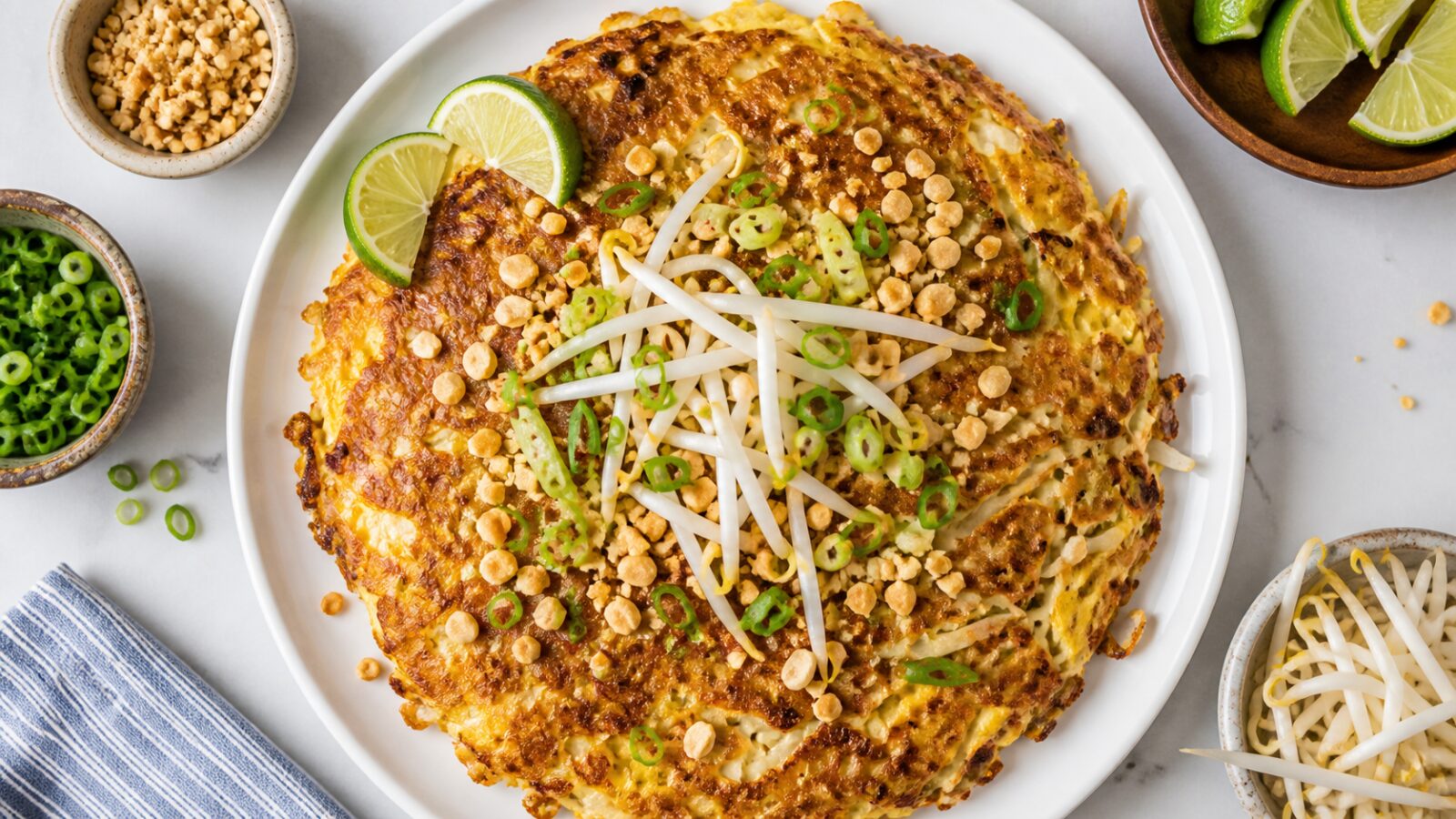
Start your morning with a twist on a classic: this Crispy Cabbage Pad Thai Omelet. It’s a savory, high-protein breakfast that brings the beloved flavors of pad thai—tamarind, fish sauce, lime, and peanuts—into a quick, one-pan omelet. The secret is the crispy shredded cabbage, which adds texture and a mild sweetness that pairs perfectly with the tangy sauce. Whether you’re a busy mom rushing to get kids off to school or a home cook looking for a new weekday favorite, this recipe comes together in just 20 minutes with simple ingredients.
If you love Thai flavors but don’t have time for a full stir-fry, this cabbage pad thai omelet is your answer. It’s naturally gluten-free, packed with protein from eggs, and uses cabbage in a way that’s anything but boring. Plus, it’s a great way to use up that half-head of cabbage sitting in your fridge. Let’s make breakfast exciting again!
Why You'll Love This Recipe
- Ready in 20 minutes: From start to finish, this omelet is on your plate in a flash. Perfect for hectic mornings.
- High protein and filling: With 3 eggs and optional shrimp or chicken, this meal keeps you full until lunch.
- Crispy texture: The shredded cabbage gets wonderfully crispy in the pan, adding a satisfying crunch.
- Bold pad thai flavors: Tamarind, fish sauce, lime, and peanuts create that classic tangy-savory taste without a trip to the store for specialty noodles.
- Beginner-friendly: If you can scramble eggs, you can make this omelet. Simple techniques and easy-to-find ingredients.
- Budget-friendly: Cabbage, eggs, and pantry staples keep costs low while delivering big flavor.
- Meal prep adaptable: Make the cabbage filling ahead and assemble the omelet fresh in the morning for a 5-minute breakfast.
- Family-approved: Kids love the mild sweetness of cabbage and the fun twist on eggs. Serve with extra toppings for picky eaters.
Ingredients
- 3 large eggs: The base of the omelet. Use pasture-raised for best flavor and color.
- 1 cup finely shredded green cabbage: About 1/4 of a small head. Shred it thinly for even cooking.
- 1 tablespoon vegetable oil or avocado oil: For pan-frying the cabbage and cooking the omelet.
- 1 tablespoon tamarind paste: The signature sour element of pad thai. Substitute with 1 tablespoon lime juice + 1 teaspoon brown sugar if needed.
- 1 tablespoon fish sauce: For savory umami. Use soy sauce or coconut aminos for a vegetarian version.
- 1 teaspoon brown sugar or coconut sugar: Balances the sour and salty flavors.
- 1/2 teaspoon sriracha or chili garlic sauce: Optional, for heat. Adjust to taste.
- 2 tablespoons chopped roasted peanuts: For crunch and authentic pad thai flavor.
- 1 green onion, thinly sliced: For garnish and freshness.
- 1/4 cup fresh bean sprouts: Optional, for extra crunch. Classic pad thai ingredient.
- Lime wedges: For squeezing over the finished omelet.
- Salt and pepper: To taste.
Optional Substitutions
- Eggs: Use 4 egg whites for lower fat, or 1/2 cup liquid egg substitute.
- Cabbage: Swap with shredded Brussels sprouts or finely chopped broccoli slaw for a different texture.
- Fish sauce: Soy sauce or coconut aminos work for a milder, vegetarian-friendly option.
- Tamarind paste: Mix 1 tablespoon lime juice + 1 teaspoon brown sugar + 1/2 teaspoon Worcestershire sauce (or soy sauce) as a quick substitute.
- Peanuts: Use cashews, almonds, or sunflower seeds for a nut-free version.
- Oil: Coconut oil or butter for a different flavor profile.
- Protein boost: Stir in 1/2 cup cooked shrimp, chicken, or tofu into the cabbage before adding eggs.
- Low-carb: Reduce brown sugar to 1/2 teaspoon or use a sugar substitute like erythritol.
Instructions
- Prepare the pad thai sauce: In a small bowl, whisk together tamarind paste, fish sauce, brown sugar, and sriracha (if using). Set aside.
- Cook the cabbage: Heat 1 teaspoon of oil in a medium non-stick skillet over medium-high heat. Add the shredded cabbage and cook, stirring occasionally, for 3-4 minutes until it softens and begins to brown on the edges. Season with a pinch of salt. Remove cabbage to a plate and wipe the skillet clean.
- Whisk the eggs: In a small bowl, beat the eggs with a fork until well combined. Add a pinch of salt and pepper.
- Cook the omelet: Return the skillet to medium heat and add the remaining 2 teaspoons of oil. Pour in the eggs, swirling to cover the bottom evenly. Cook undisturbed for 1-2 minutes until the edges look set and the center is slightly runny.
- Add the cabbage and sauce: Spoon the cooked cabbage over one half of the omelet. Drizzle the pad thai sauce over the cabbage. Sprinkle half the peanuts and half the green onions over the cabbage.
- Fold the omelet: Using a spatula, gently fold the empty half of the omelet over the filling. Press down lightly to seal. Cook for another 30 seconds to 1 minute, until the bottom is golden and the eggs are fully set.
- Slide onto a plate: Carefully slide the omelet onto a serving plate. Top with remaining peanuts, green onions, bean sprouts (if using), and a squeeze of fresh lime juice. Serve immediately with extra lime wedges on the side.
Pro Tips
- Shred cabbage finely: Thinner shreds cook faster and integrate better into the omelet. Use a mandoline or a sharp knife.
- Don’t overcook the cabbage: You want it tender with crispy edges, not mushy. High heat is key.
- Use a non-stick skillet: This ensures the omelet slides out easily and doesn’t stick. A well-seasoned cast iron also works.
- Let the eggs set before filling: Pour the eggs and let them cook undisturbed until the edges are set. This makes folding easier.
- Keep the heat medium: Too high and the eggs will brown too quickly; too low and they become rubbery.
- Taste the sauce before using: Adjust the sweet-sour balance to your liking. Add more lime for tang or more sugar for sweetness.
- Have all ingredients ready: This cooks fast, so prep everything before you start.
- Add protein directly: For extra protein, stir cooked shrimp or chicken into the cabbage before adding to the omelet.
Variations and Substitutions
- Thai Basil Omelet: Add a handful of fresh Thai basil leaves along with the green onions for an authentic Thai flavor.
- Spicy Sriracha Omelet: Increase the sriracha to 1 teaspoon or more, or add a dash of chili flakes.
- Vegetable-Loaded: Add shredded carrots, bell peppers, or zucchini along with the cabbage for extra nutrients.
- Cheesy Pad Thai Omelet: Sprinkle 1/4 cup shredded mozzarella or cheddar over the eggs just before adding the filling for a creamy twist.
- Meal Prep Version: Cook the cabbage and sauce ahead of time. Store in the fridge for up to 3 days. In the morning, cook the omelet and add the prepped filling.
- Low-Carb/Keto: Omit the brown sugar or use a keto-friendly sweetener. Add extra fat with avocado slices on top.
- Vegan Option: Use a chickpea flour omelet (2/3 cup chickpea flour + 1/3 cup water + spices) and skip the eggs. Use soy sauce instead of fish sauce.
Storage and Reheating
Fridge
Store any leftover omelet in an airtight container in the refrigerator for up to 2 days. The texture is best when fresh, but it’s still safe to eat.
Freezer
Freezing is not recommended because eggs become watery and rubbery upon thawing. If you must freeze, wrap tightly in plastic wrap and then foil, and consume within 1 month. Reheat directly from frozen.
Reheating
Reheat in a non-stick skillet over medium-low heat for 2-3 minutes per side, or in the microwave for 30-45 seconds. The skillet method helps restore some crispiness to the cabbage. Avoid overheating to prevent rubbery eggs.
FAQ
Can I use bagged coleslaw mix instead of fresh cabbage? Yes, bagged coleslaw mix (shredded cabbage and carrots) works great. It’s a perfect time-saver.
Is this recipe gluten-free? Yes, all ingredients are naturally gluten-free. Ensure your fish sauce and tamarind paste are certified gluten-free if you have celiac disease.
Can I make this without eggs? Yes, use a chickpea flour batter (1/2 cup chickpea flour + 1/4 cup water + pinch of salt) for a vegan, egg-free version. Cook similarly.
How do I know when the eggs are done? The omelet is done when the bottom is golden brown and the center is fully set. If you lift an edge, it should feel firm, not runny.
What can I use instead of fish sauce? Soy sauce or tamari work well. Coconut aminos are a great paleo-friendly alternative. The flavor will be slightly different but still delicious.
Can I add more vegetables? Absolutely! Shredded carrots, bell peppers, or zucchini are wonderful additions. Sauté them with the cabbage or add raw for crunch.
How can I make this spicier? Add more sriracha, a pinch of red pepper flakes, or serve with sliced fresh chili peppers on top.
What side dishes go well with this omelet? A simple cucumber salad, fresh fruit, or a side of steamed rice make great accompaniments. For a light meal, serve with a small green salad dressed with lime vinaigrette.
Nutrition Information
Nutritional values are estimated and can vary depending on the ingredients used.
Save this recipe
Print and download options unlock in 30 seconds.
