
One Pot Creamy Chicken and Cabbage Noodles
This one pot creamy chicken and cabbage noodles recipe is a cozy, budget-friendly dinner made with simple ingredients and minimal cleanup. It is a practical family meal that feels comforting, hearty, and easy enough to make on a busy weeknight.
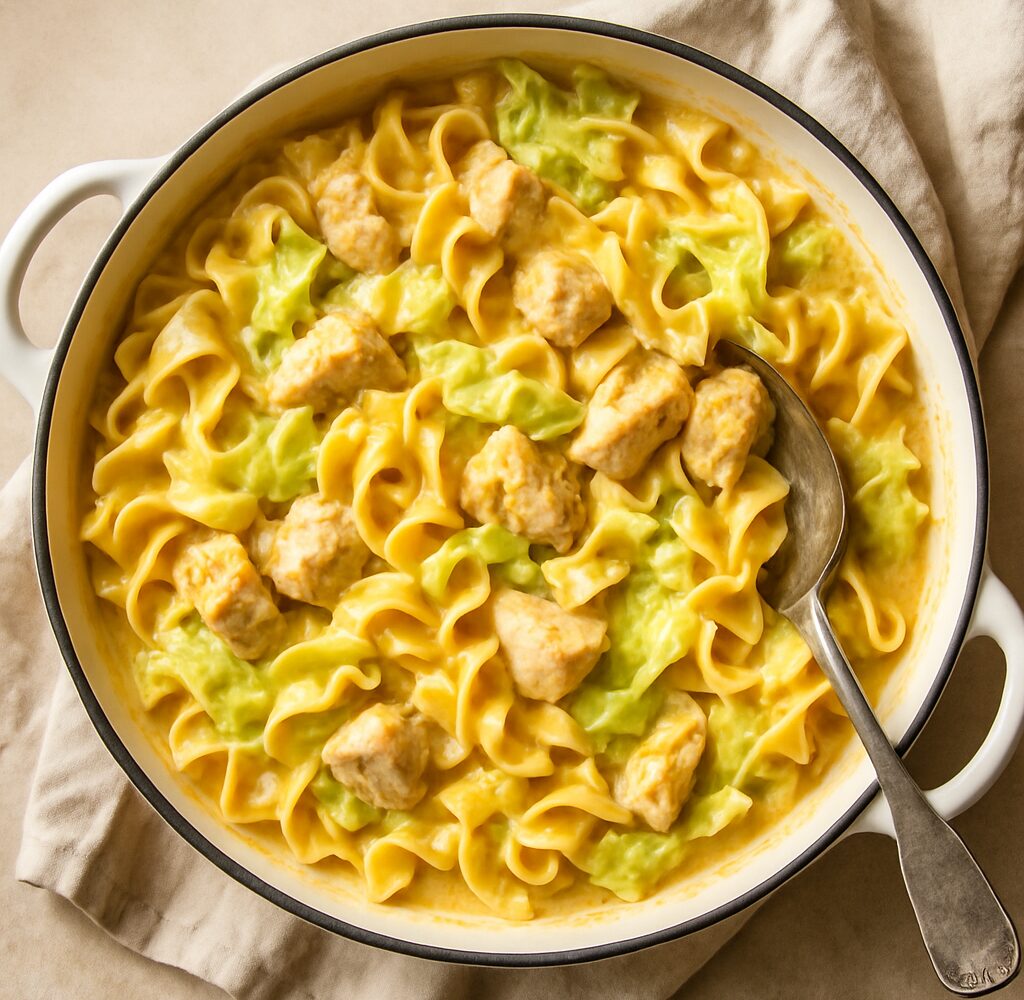
If you need a dinner that feels comforting, stretches your grocery budget, and does not leave you with a sink full of dishes, this one pot creamy chicken and cabbage noodles recipe is exactly the kind of meal to keep on repeat. It is hearty enough for hungry families, simple enough for beginner cooks, and flexible enough to work with ingredients you probably already have.
This is the kind of meal that makes sense on a busy weeknight. The chicken cooks until tender, the cabbage softens into the sauce, and the noodles soak up all that creamy flavor in the same pot. You get a complete dinner with protein, vegetables, and pasta all in one pan, which means less cleanup and less stress.
The best part is how practical it is. Cabbage is affordable, chicken is filling, and the creamy sauce makes the whole dish feel like easy comfort food without requiring anything fancy. If you are looking for a budget chicken dinner that the whole family will actually eat, this is a strong one to add to your rotation.
Why You'll Love This Recipe
- It is a true one pot chicken noodles dinner, so cleanup stays simple.
- The ingredients are budget-friendly and easy to find in almost any grocery store.
- Cabbage adds volume, texture, and nutrition without making the meal expensive.
- The sauce is creamy and comforting without being difficult to make.
- This is a beginner-friendly cabbage noodles recipe with clear, manageable steps.
- It works well for busy weeknights when you need dinner on the table fast.
- Leftovers reheat well, so it is useful for lunch the next day too.
- It is flexible enough to adapt to what you already have in the fridge.
Ingredients
Here is everything you need to make creamy chicken cabbage noodles at home:
- 1 1/2 pounds boneless, skinless chicken thighs or chicken breasts, cut into bite-size pieces
- 2 tablespoons olive oil or butter
- 1 medium yellow onion, diced
- 3 cloves garlic, minced
- 6 cups green cabbage, thinly sliced or chopped into bite-size pieces
- 8 ounces egg noodles, dry
- 3 cups low-sodium chicken broth
- 1 cup milk, whole milk for a richer sauce or 2% for a lighter version
- 1 cup sour cream or plain Greek yogurt, room temperature for easier mixing
- 2 tablespoons all-purpose flour, optional for slightly thicker sauce
- 1 teaspoon kosher salt, plus more to taste
- 1/2 teaspoon black pepper
- 1 teaspoon paprika
- 1/2 teaspoon dried thyme
- 1 tablespoon Worcestershire sauce, optional but adds savory depth
- 1 cup shredded carrots, optional for extra color and sweetness
- 1/2 cup frozen peas, optional for added vegetables
- 1/2 cup shredded cheddar cheese, optional for a richer finish
- Chopped parsley, for serving
A few notes to help you shop and cook with confidence:
- Chicken thighs stay especially tender and flavorful, but chicken breasts also work well.
- Egg noodles are ideal because they cook quickly and hold the sauce nicely.
- Green cabbage softens beautifully in the broth and adds a mild, sweet flavor once cooked.
- Sour cream gives the dish a creamy texture and a gentle tang that balances the richness.
- If you want a thicker sauce, the flour helps the broth become more velvety before the dairy is added.
Optional Substitutions
If you need to work with what you have, here are some easy swaps that still keep the meal delicious:
- Use rotisserie chicken instead of raw chicken for a faster version. Add it near the end so it does not dry out.
- Swap egg noodles for rotini, fusilli, or elbow macaroni. Cooking time may change slightly depending on the pasta shape.
- Replace sour cream with plain Greek yogurt for a lighter, tangier sauce. Add it off the heat to prevent curdling.
- Use half-and-half instead of milk for a richer sauce, or use unsweetened evaporated milk for a pantry-friendly option.
- Use Savoy cabbage if you want a softer, more delicate texture, or red cabbage if you do not mind a darker color and slightly stronger flavor.
- Skip the flour if you prefer a thinner broth-based sauce. The finished dish will still be creamy, just a little looser.
- Use turkey instead of chicken for another affordable protein option.
- Add a handful of spinach near the end for extra greens without changing the flavor much.
Instructions
- Heat the olive oil or butter in a large deep skillet or Dutch oven over medium-high heat. Choose a pan with a lid and enough space for the noodles and cabbage to move around. If your pan is too small, the noodles may cook unevenly.
- Add the chicken pieces and season with half of the salt, pepper, paprika, and thyme. Cook for 4 to 6 minutes, stirring occasionally, until the chicken is lightly browned on the outside. It does not need to be fully cooked yet, because it will finish simmering later.
- Add the diced onion and cook for 2 to 3 minutes, stirring until it starts to soften. Stir in the garlic and cook for about 30 seconds, just until fragrant. Be careful not to let the garlic burn, since it can turn bitter quickly.
- If you are using flour, sprinkle it over the chicken and vegetables now and stir well for about 1 minute. This helps remove the raw flour taste and gives the sauce a slightly thicker texture later.
- Add the sliced cabbage and carrots, if using. Stir for a minute or two so the cabbage starts to wilt and mix with the chicken and onions. It may look like a lot at first, but it will cook down significantly.
- Pour in the chicken broth and Worcestershire sauce, if using. Use a wooden spoon to scrape up any browned bits from the bottom of the pan. Those bits add flavor and help build a more savory sauce.
- Bring the mixture to a gentle simmer, then stir in the dry egg noodles. Reduce the heat to medium-low, cover the pan, and cook for about 8 to 10 minutes, stirring once or twice so the noodles do not stick together. The noodles should become tender and absorb some of the broth.
- Check the chicken for doneness. The pieces should be cooked through and reach an internal temperature of 165°F. If the noodles are tender but the pan still seems a little too brothy, uncover it for a couple of minutes to reduce slightly.
- Turn the heat to low and stir in the milk and sour cream. Mix gently until the sauce becomes creamy and smooth. If you are using Greek yogurt, keep the heat very low and stir it in slowly so it blends without curdling.
- Add the frozen peas and shredded cheese, if using, and stir for 1 to 2 minutes until the peas are heated through and the cheese melts into the sauce. Taste and adjust the seasoning with additional salt and pepper as needed.
- Finish with chopped parsley and serve warm. The sauce will thicken a little more as it rests for a few minutes, so do not worry if it looks slightly loose right after cooking.
Pro Tips
- Slice the cabbage fairly thin so it softens at the same pace as the noodles.
- Keep the simmer gentle once the noodles go in. A hard boil can make them mushy and cause the sauce to reduce too quickly.
- Stir the pot once or twice while the noodles cook to prevent sticking on the bottom.
- Use room-temperature sour cream or yogurt so it blends in more smoothly with the hot sauce.
- If the pan looks dry before the noodles are tender, add a small splash of broth or water rather than turning the heat up high.
- If the finished dish seems too thick, loosen it with a little warm broth or milk.
- If it seems too thin, uncover the pan and let it cook for a couple more minutes, stirring often.
- Taste at the end, not just at the beginning. Cabbage and noodles both absorb salt, so the final seasoning may need a small boost.
- Cut the chicken into even pieces so everything cooks at the same pace.
- Let the finished dish rest for 3 to 5 minutes before serving so the sauce can settle and thicken.
Variations and Substitutions
- Make it extra hearty by adding sliced mushrooms with the onions. They bring a savory, earthy flavor that works well with the creamy sauce.
- Turn it into a smoky version by adding a little smoked paprika or a few dashes of hot sauce. This is a good option if you want more depth without changing the basic method.
- Make it cheesier by stirring in extra cheddar, mozzarella, or a handful of parmesan right before serving. The sauce will be thicker and richer.
- Add more vegetables such as peas, spinach, corn, or diced bell peppers. This is an easy way to use what you have and make the meal stretch further.
- Use cabbage as the main vegetable and reduce the noodles slightly if you want a lower-cost, lighter dinner with more vegetables and less pasta.
- Make it more comforting by using chicken thighs, a touch more sour cream, and a sprinkle of cheese on top. That version leans into classic easy comfort food.
- Try it with turkey sausage instead of chicken for a different flavor profile. Brown the sausage first and then continue with the recipe as written.
- Give it a herby finish with dill or parsley stirred in right at the end. Fresh herbs brighten the creamy sauce and keep the dish from feeling too heavy.
Storage and Reheating
Fridge
Store leftovers in an airtight container in the refrigerator for up to 4 days. Because the noodles continue to absorb liquid as they sit, the dish will likely thicken in the fridge. That is normal and easy to fix during reheating.
For the best texture, cool the dish slightly before sealing and refrigerating it. Do not leave it at room temperature for more than 2 hours.
Freezer
This recipe can be frozen, but the texture of the noodles and creamy sauce may change a little after thawing. For the best results, freeze in a tightly sealed container for up to 2 months.
If you know ahead of time that you want to freeze part of the batch, slightly undercook the noodles. That helps them hold their texture better after reheating. Thaw overnight in the refrigerator before warming.
Reheating
Reheat on the stovetop over low heat or in the microwave in short intervals. Add a splash of broth, milk, or water to loosen the sauce as it warms. Stir often so the sauce becomes smooth again.
If reheating from frozen, thaw first whenever possible. If you need to reheat directly from frozen, do so gently and slowly so the dairy does not separate. Add extra liquid little by little until the creamy texture returns.
FAQ
Can I use pre-cooked chicken in this recipe?
Yes. Rotisserie chicken or leftover cooked chicken works well. Add it after the noodles are mostly tender, just long enough to warm through so it stays moist.
What kind of cabbage works best?
Green cabbage is the best all-around choice because it is affordable, easy to find, and softens nicely in the broth. Savoy cabbage also works if you want a more tender texture.
Can I make creamy chicken cabbage noodles ahead of time?
You can make it ahead, but keep in mind that the noodles will absorb more sauce as they sit. If you are preparing it early, slightly undercook the noodles and plan to add a little broth or milk when reheating.
How do I keep the sauce from curdling?
Lower the heat before adding the sour cream, yogurt, or milk. Stir those ingredients in gently and avoid boiling the dish after they are added. Room-temperature dairy also blends more smoothly.
Can I make this without sour cream?
Yes. You can use plain Greek yogurt, cream cheese, or even a little extra milk with shredded cheese for a different creamy texture. Each option changes the flavor slightly, but all work.
What should I serve with this dish?
It is a full meal on its own, but a simple green salad, crusty bread, or roasted vegetables make great sides. If you want to keep dinner very budget-friendly, serve it exactly as is.
How do I know when the chicken is fully cooked?
The safest way is to use a thermometer. Chicken should reach 165°F in the thickest pieces. If you do not have a thermometer, cut into a larger piece to make sure the inside is no longer pink and the juices run clear.
Why did my noodles turn out too soft?
They may have cooked too long or at too high a heat. Next time, keep the simmer gentle and check the noodles a minute or two early. If you are reheating leftovers, warm them slowly so they do not overcook further.
Nutrition Information
Nutritional values are estimated and can vary depending on the ingredients used.
Save this recipe
Print and download options unlock in 30 seconds.
