
Easy Spaghetti Squash Recipes for Busy Families
Replace heavy pasta with low-carb spaghetti squash. Learn how to roast it without the mush and pair it with sauces that picky eaters love.
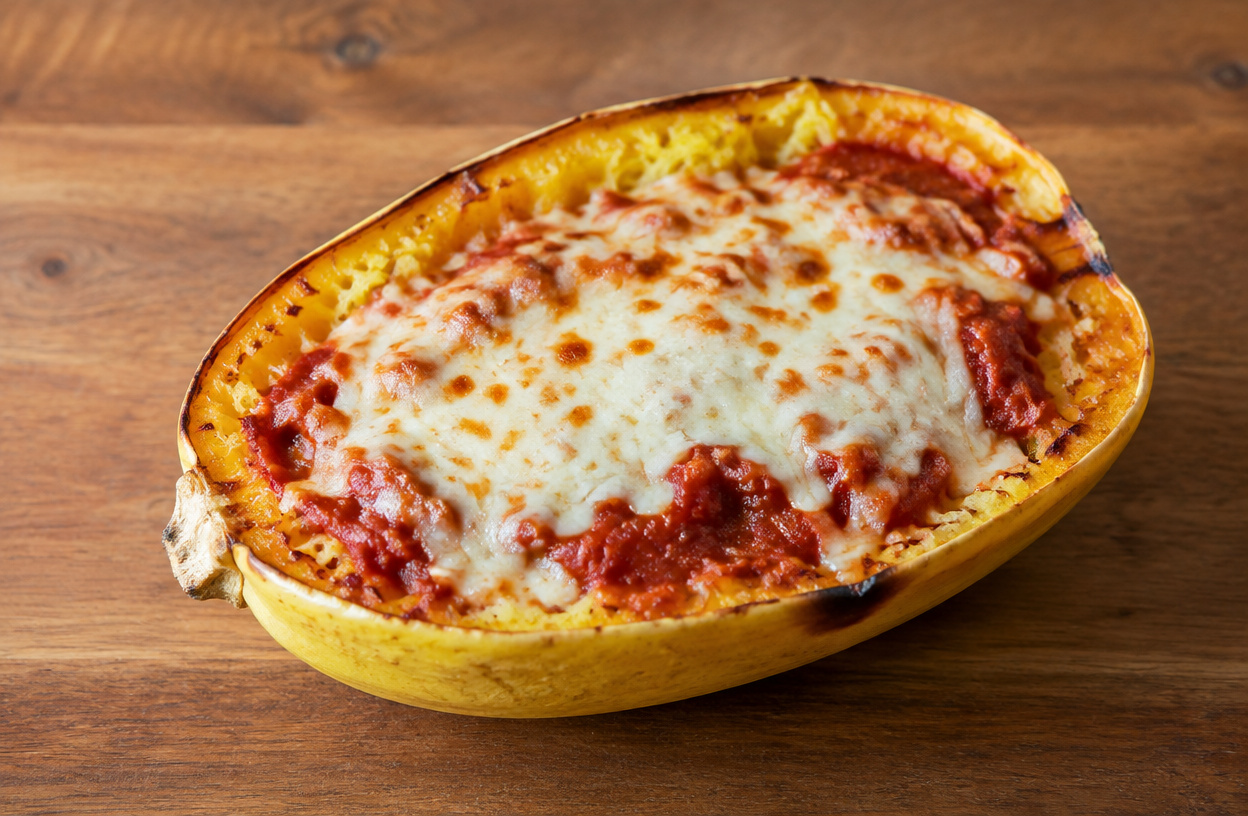
Use these spaghetti squash recipes to replace heavy pasta with a low-carb, family-friendly alternative. You get the comfort of a warm meal without the calorie load of noodles. These methods prevent the mushy texture that often makes children reject the dish.
Quick Tips for Squash Success
- Roast squash face-down to avoid a mushy, watery texture.
- Mix squash with real pasta to ease kids into the flavor.
- Use an air fryer for the fastest roasting time.
- Store cooked strands in airtight containers for up to 5 days.
What is the fastest way to roast spaghetti squash?
Microwaving is the fastest way to cook spaghetti squash, taking about 10 to 15 minutes. Oven roasting and air frying take longer but offer a deeper, caramelized flavor that works well for easy fall recipes.
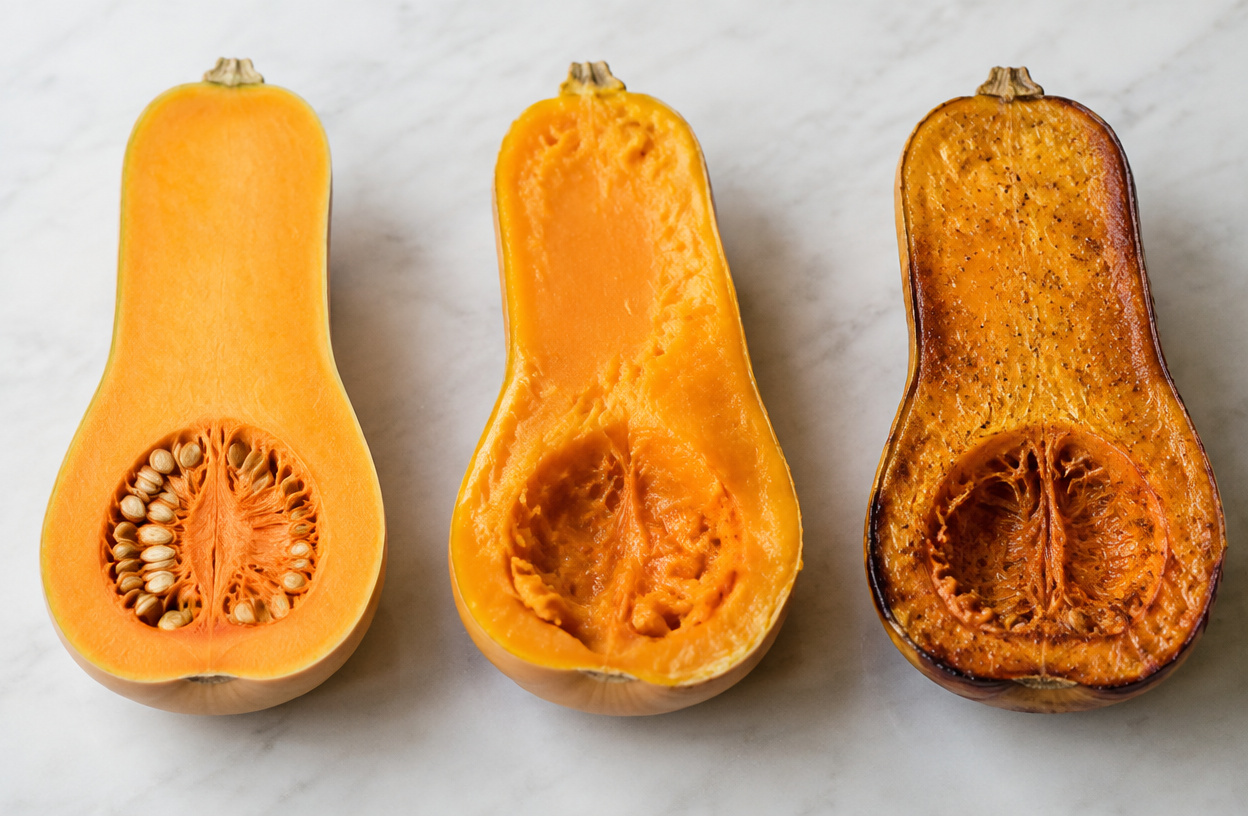
| Method | Temperature | Approximate Time | Best For |
|---|---|---|---|
| Microwave | High Power | 10-15 minutes | Maximum speed |
| Air Fryer | 400°F | 25-35 minutes | Fast roasting |
| Oven | 400°F | 40-50 minutes | Large batches |
Microwave Steaming
Pierce the skin several times with a fork to prevent the squash from exploding. Place it in a microwave-safe dish with a quarter cup of water and cover it with a lid or vented plastic wrap. Heat on high until a fork easily pierces the thickest part of the flesh.
Air Fryer Roasting
Cut the squash into smaller wedges or cubes to maximize surface area. Toss the pieces with olive oil and salt before placing them in the air fryer basket. Cook at 400°F, shaking the basket halfway through, until the edges brown.
Traditional Oven Roasting
Slice the squash in half lengthwise and scoop out the seeds. Rub the center with oil and roast face-down on a baking sheet at 400°F. This method prevents the squash from steaming in its own juices, which keeps the strands firm instead of mushy.
How do I cook spaghetti squash without it getting mushy?
Cooking spaghetti squash face-down on a baking sheet prevents the vegetable from steaming in its own juices. This technique keeps the strands firm and distinct, making it a reliable low carb pasta alternative for picky eaters.
Avoid cutting the squash into rings or cubes, as these shapes release more moisture and soften too quickly. A lengthwise half creates a natural bowl that directs steam away from the flesh. Use a sharp chef’s knife to slice through the tough skin, or microwave the whole squash for two minutes to soften the rind before cutting.
- Cut the squash in half lengthwise and scoop out the seeds.
- Brush the flesh with oil and season with salt and pepper.
- Place the squash cut-side down on a parchment-lined baking sheet.
- Roast at 400°F until the skin is browned and the flesh feels tender when pressed.
- Remove the squash from the oven and let it cool for 10 minutes.
- Scrape the strands out with a fork only after the flesh has set.
Why cooling matters
Scraping a piping hot squash often breaks the strands into a mash. Letting the vegetable rest allows the structure to firm up. This ensures you get long, noodle-like ribbons instead of a puree.
If you scrape too early, the heat continues to break down the pectin in the squash. Wait until the skin is warm to the touch but not searing. This pause prevents the strands from collapsing when they hit your sauce or toppings.
How do I get my kids to like spaghetti squash?
Pair spaghetti squash with familiar flavors and textures to make it more acceptable to children. Mask the mild vegetable taste with bold cheeses and thick sauces to create a kid-friendly dinner they will actually eat.
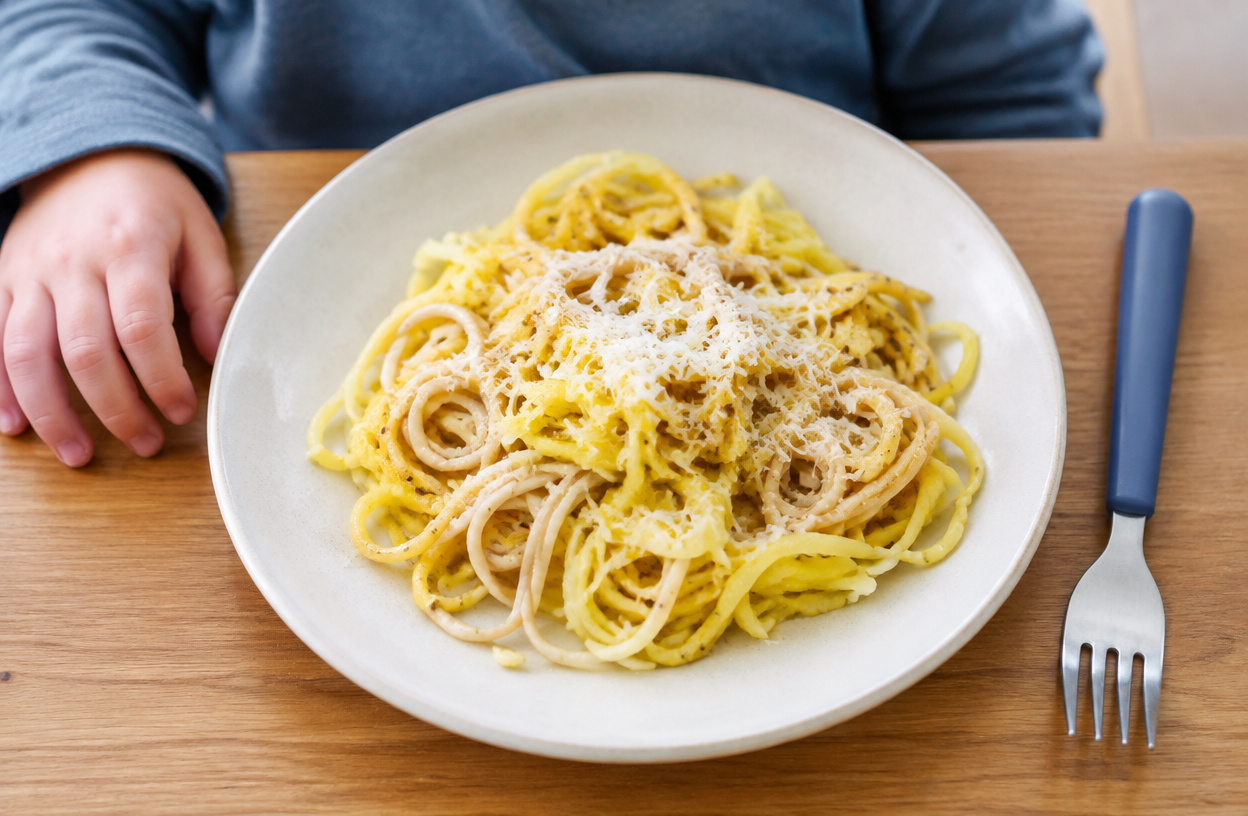
- Mix in real pasta. Blend squash strands with a small amount of traditional spaghetti. This eases them into the new texture without a sudden shift in taste.
- Use high-flavor cheeses. Sharp cheddar, parmesan, or mozzarella add a salty, savory punch that distracts from the squash. Melt the cheese on top under a broiler for a bubbly, golden crust.
- Choose a favorite sauce. Use a mild marinara or a creamy Alfredo to coat the strands. Thick sauces cling to the squash and hide the vegetable flavor better than thin or watery options.
- Change the name. Call it “golden noodles” or “magic pasta.” This makes the meal feel exciting and less like a health food requirement.
Simple strategies for picky eaters
Start with small portions to avoid overwhelming your children. Introducing the squash as part of an easy family meal helps it feel normal rather than a special “healthy” dish.
If your kids dislike the texture, roast the squash until it is slightly browned. This caramelizes the natural sugars and adds a sweetness that appeals to children. Avoid overcooking the squash, which can make the strands mushy and less appealing.
Try serving the squash in the shell. The visual of the “bowl” can make the meal feel like a treat. Let kids help sprinkle the cheese or stir in the sauce to give them a sense of ownership over the meal.
What are the best sauces for spaghetti squash?
The best sauces for spaghetti squash range from savory marinara and creamy garlic to sweet brown-sugar glazes. Because the squash has a mild, slightly nutty taste, it pairs well with bold flavors that mimic traditional pasta or highlight seasonal autumn ingredients.
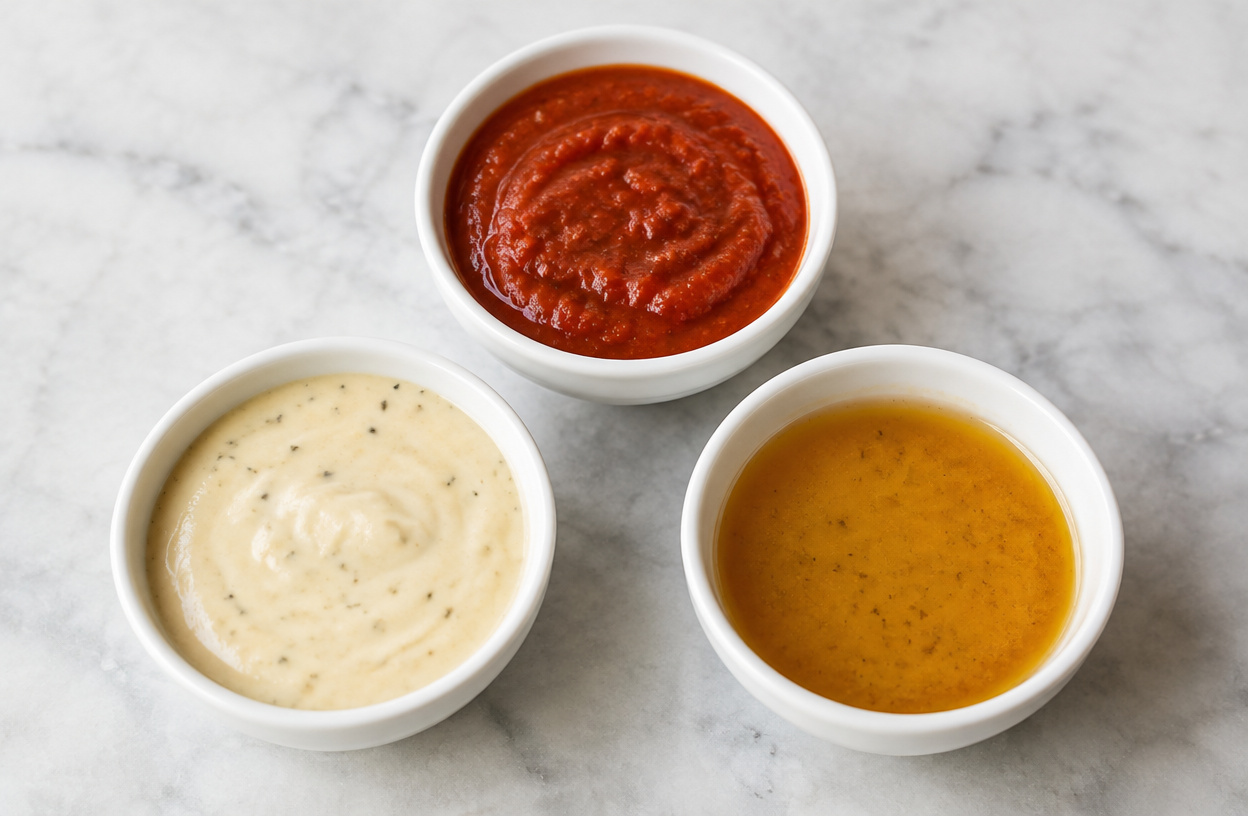
Savory and Classic Options
A classic Italian red sauce is the most popular choice for families. Use a thick marinara with chunks of sautéed onion and garlic to keep the squash from tasting watery. Add a handful of parmesan or mozzarella on top and broil it for two minutes to create a bubbly crust.
For a richer meal, try a creamy garlic white sauce. Simmer heavy cream, minced garlic, and butter until thickened. This sauce clings to the squash strands and hides the vegetable flavor, making it an easier sell for picky eaters during a fall dinner.
Sweet and Seasonal Profiles
Some families prefer a sweeter side dish. A buttery brown-sugar glaze transforms the squash into a cozy treat. Melt butter in a pan, stir in brown sugar and a pinch of cinnamon, and toss the strands in the mixture until glazed.
These sweet variations fit perfectly into a rotation of healthy fall recipes. They work well as a side dish for roasted meats or as a standalone treat for children.
| Sauce Style | Key Ingredients | Best For |
|---|---|---|
| Italian Red | Marinara, Garlic, Parmesan | Pasta replacement |
| Garlic White | Cream, Butter, Garlic | Picky eaters |
| Brown-Sugar | Butter, Brown Sugar, Cinnamon | Autumn side dish |
How do I store pre-cooked squash for the week?
Pre-cooked spaghetti squash lasts up to five days in the refrigerator when stored in an airtight container. Cooling the strands completely before sealing the lid prevents excess moisture from building up, which keeps the texture firm for your meal prep. If you seal a hot container, steam traps inside and turns the strands mushy.
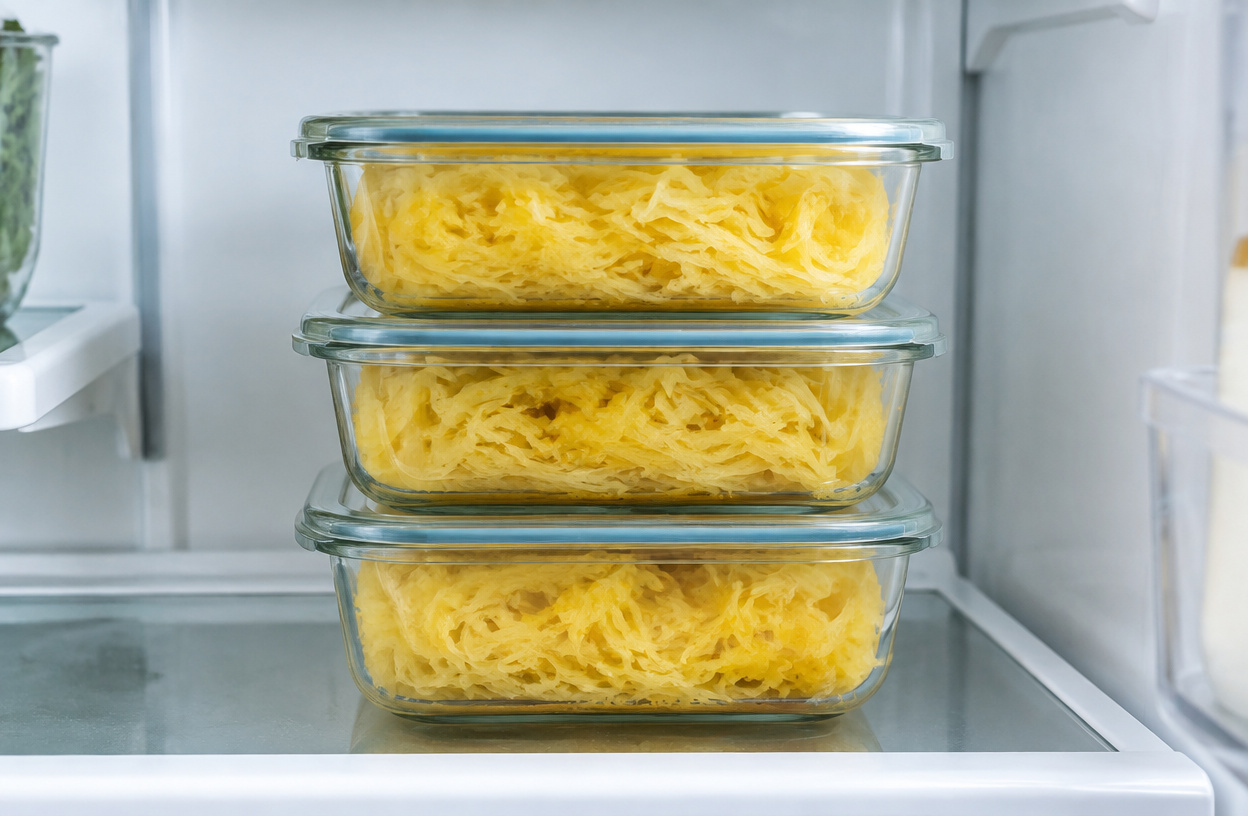
The Batch-Cooking Process
Roast several squashes at once to save time during the week. Scrape the strands out of the skins and spread them on a baking sheet or large plate to cool quickly. This increases the surface area and stops the cooking process faster than leaving them in the shell.
Once the squash reaches room temperature, transfer the strands into glass containers or BPA-free plastic bins. Do not pack the squash too tightly, as this can crush the delicate strands and affect the final texture.
- Cool squash completely to avoid condensation.
- Use airtight containers to prevent odors from other fridge foods.
- Label the date on the lid to track freshness.
- Store on a middle shelf for consistent temperature.
Reheating for Best Texture
Avoid the microwave if you want to prevent the squash from becoming watery. Microwaves heat unevenly and often release too much moisture from the vegetable. Instead, sauté the chilled strands in a pan with a small knob of butter or olive oil over medium heat. Stir occasionally until heated through to restore the “al dente” feel of the vegetable.
If you cannot eat the batch within five days, consider freezer prep. Freeze the strands in freezer-safe bags. Toss them with a bit of oil to prevent clumping, squeeze out excess air, and seal tightly. Thaw them in the fridge overnight before reheating to maintain the best quality.
Common Squash Questions
Can I use an air fryer for spaghetti squash?
Air fryers cook spaghetti squash faster than a traditional oven. Cut the squash into small cubes or wedges to ensure the heat reaches the center quickly. This method creates slightly caramelized edges that add a deeper flavor to the vegetable.
Do I need to peel spaghetti squash?
You do not need to peel the squash before cooking. The thick skin protects the flesh from drying out and acts as a natural bowl for your meal. Simply scrub the outside with water before roasting.
How do I stop the squash from tasting too ‘earthy’?
Rinse the strands with warm water after scraping them out of the shell. You can also sauté the squash briefly in butter or olive oil before adding your sauce. This step removes the raw vegetable taste and improves the texture.
Save this recipe
Print and download options unlock in 30 seconds.
