
Crispy Gochujang Cabbage Grilled Noodles
These crispy gochujang cabbage grilled noodles bring together tender noodles, charred cabbage, and a spicy-sweet sauce for a quick, family-friendly dinner.
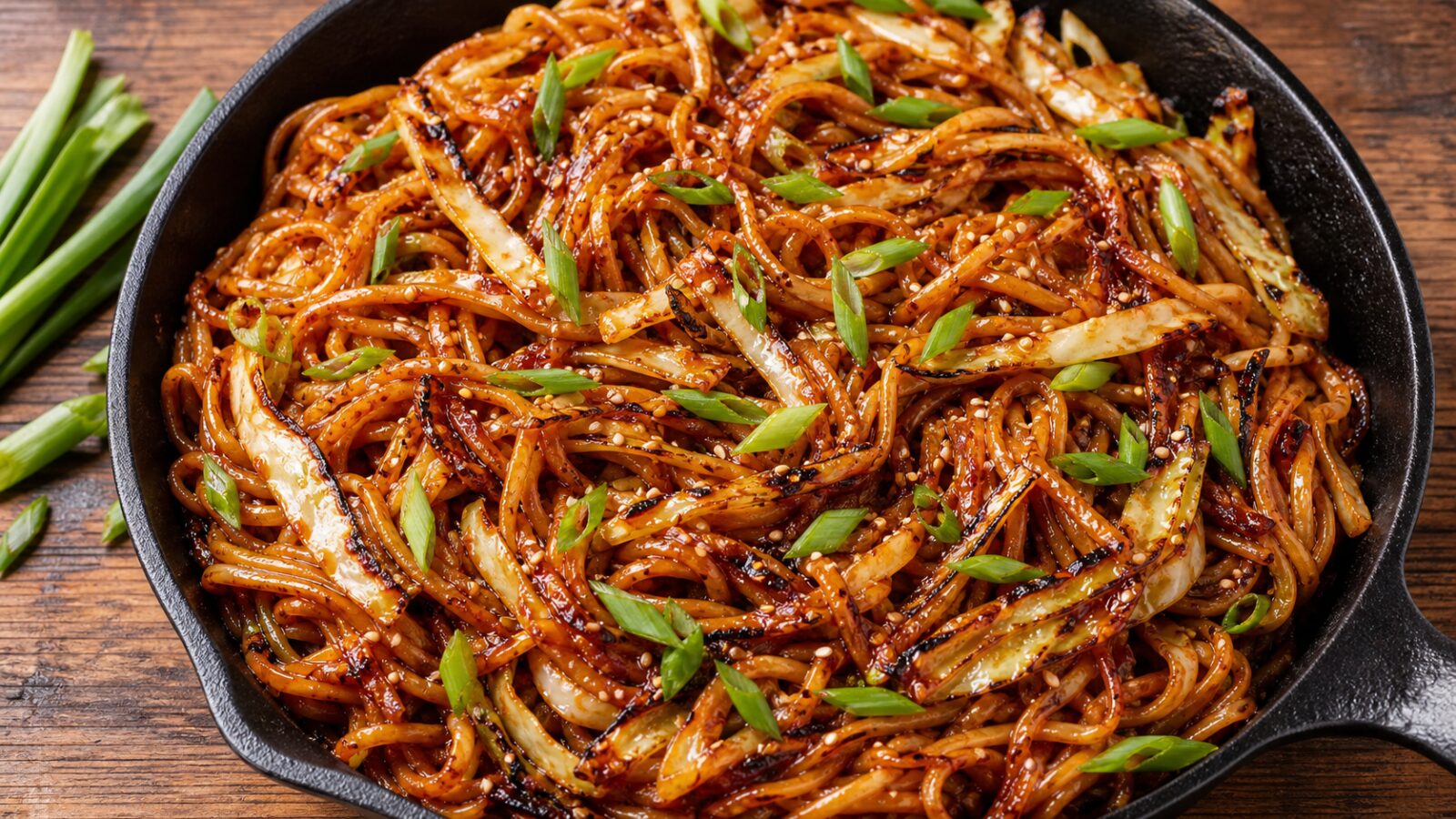
These crispy gochujang cabbage grilled noodles are about to become your new favorite weeknight dinner. They're quick, packed with bold spicy-sweet flavor, and use simple ingredients you can find at any grocery store. Whether you're a busy mom looking for a meal that comes together in under 30 minutes or just craving something comforting with a kick, this recipe delivers.
What makes this dish special is the contrast between the charred, slightly smoky cabbage and the chewy noodles coated in a glossy gochujang sauce. The best part? You can make it on a grill pan, in a cast iron skillet, or even on an outdoor grill for extra smoky flavor. It's a viral dinner idea that actually lives up to the hype.
Why You'll Love This Recipe
- Ready in 25 minutes – perfect for busy evenings when you need dinner on the table fast.
- One-pan (or griddle) meal – less cleanup, more time with family.
- Bold, balanced flavor – spicy, sweet, savory, and a little smoky from the charred cabbage.
- Customizable heat – adjust the gochujang amount to suit your family's spice tolerance.
- Uses affordable ingredients – cabbage, noodles, and pantry staples keep this budget-friendly.
- Great for meal prep – make a double batch and enjoy leftovers all week.
- Fun to cook – the sizzle and char make it a satisfying cooking experience.
- Kid-friendly option – reduce or omit gochujang for a milder version kids will love.
Ingredients
- 8 oz (225g) dried noodles – udon, ramen, or spaghetti works great.
- 4 cups (about 300g) green cabbage, sliced into 1-inch strips.
- 2 tablespoons vegetable oil – for high heat cooking.
- 3 cloves garlic, minced.
- 1 tablespoon grated fresh ginger.
- 3 tablespoons gochujang (Korean chili paste) – adjust to taste.
- 2 tablespoons soy sauce – use tamari for gluten-free.
- 1 tablespoon rice vinegar.
- 1 tablespoon brown sugar or honey.
- 1 teaspoon sesame oil.
- 1/4 cup water – to thin the sauce.
- 2 green onions, sliced for garnish.
- 1 tablespoon toasted sesame seeds for garnish.
Optional Substitutions
- Noodles: Use rice noodles for gluten-free, or zucchini noodles for low-carb (reduce cooking time).
- Cabbage: Napa cabbage or savoy cabbage work well; add some shredded carrots for extra color.
- Gochujang: For less heat, mix gochujang with ketchup or use sambal oelek with a pinch of sugar.
- Soy sauce: Use coconut aminos for a soy-free version.
- Sweetener: Maple syrup or agave can replace brown sugar.
- Protein: Add grilled chicken, tofu, or shrimp for a heartier meal.
- Veggies: Toss in bell peppers, snap peas, or bok choy.
Instructions
- Cook the noodles according to package directions until al dente. Drain, rinse under cold water, and toss with a little oil to prevent sticking. Set aside.
- Make the sauce: In a small bowl, whisk together gochujang, soy sauce, rice vinegar, brown sugar, sesame oil, and water until smooth. Set aside.
- Heat a large grill pan or cast iron skillet over medium-high heat until smoking hot. Add 1 tablespoon vegetable oil.
- Add cabbage strips in a single layer (work in batches if needed). Cook without stirring for 2-3 minutes until charred on one side. Flip and char the other side for 1-2 minutes. Cabbage should be tender with dark grill marks.
- Push cabbage to the side of the pan. Add remaining 1 tablespoon oil to the empty side, then add garlic and ginger. Sauté for 30 seconds until fragrant.
- Add the cooked noodles to the pan and toss with the garlic-ginger oil. Spread noodles in an even layer and let them sit undisturbed for 1-2 minutes to get crispy edges.
- Pour the gochujang sauce over the noodles and cabbage. Toss everything together for 2-3 minutes until the sauce coats evenly and noodles are heated through.
- Remove from heat and garnish with green onions and sesame seeds. Serve immediately.
Pro Tips
- Get the pan really hot before adding cabbage for the best char.
- Don't overcrowd the cabbage; cooking in batches ensures caramelization, not steaming.
- Rinse cooked noodles with cold water to remove excess starch and keep them from clumping.
- Dry noodles thoroughly before adding to pan for extra crispiness.
- Adjust sauce thickness with water; add a splash if too thick, or simmer longer to reduce.
- For extra smoky flavor, use an outdoor grill or a charcoal grill pan.
- Prep all ingredients before you start cooking – this stir-fry comes together fast.
- Taste and adjust seasoning: add more gochujang for spice, honey for sweetness, or soy sauce for salt.
Variations and Substitutions
- Vegetarian: This recipe is naturally vegetarian. For vegan, ensure sweetener is plant-based.
- Add protein: Pan-sear sliced chicken breast or tofu separately before adding noodles.
- Extra veggies: Stir in julienned carrots, bell pepper strips, or snap peas along with cabbage.
- Nutty twist: Add a tablespoon of peanut butter to the sauce for a creamy, nutty flavor.
- Crispy texture: Top with crushed peanuts or crispy fried shallots.
- Herb finish: Toss in fresh cilantro or Thai basil before serving.
- Low-calorie: Use shirataki noodles or spiralized zucchini, and reduce oil.
- Gluten-free: Use rice noodles or buckwheat soba noodles and tamari instead of soy sauce.
Storage and Reheating
Fridge
Store leftovers in an airtight container for up to 3 days. The noodles may absorb some sauce, so add a splash of water or soy sauce when reheating.
Freezer
Freeze in a freezer-safe container for up to 2 months. Thaw overnight in the refrigerator before reheating.
Reheating
Reheat in a hot skillet over medium-high heat with a little oil for best texture. Microwave works but noodles will be softer. To restore crispiness, reheat in a single layer in a pan until edges brown again.
FAQ
Can I use pre-shredded coleslaw mix? Yes, it works well and saves time. The texture will be slightly finer, but it still chars nicely.
Is gochujang very spicy? It's moderately spicy with a sweet, savory depth. Start with 2 tablespoons for a milder dish, or add more for extra heat.
Can I make this without a grill pan? Absolutely! A large non-stick skillet or wok over high heat works great. For outdoor grilling, use a grilling basket or foil packet.
What if I don't have rice vinegar? Apple cider vinegar or white wine vinegar with a pinch of sugar works as a substitute.
Can I double the recipe? Yes, but cook in batches to avoid overcrowding. Use a larger pan or griddle.
How do I keep leftovers from getting soggy? Store sauce separately if possible, and reheat in a hot pan to revive crispiness.
Can I add an egg? Yes, fry an egg separately and serve on top for extra protein. The runny yolk mixes beautifully with the sauce.
What noodles are best? Thick, chewy noodles like udon or ramen hold up best to the sauce. Spaghetti or linguine also work in a pinch.
Nutrition Information
Nutritional values are estimated and can vary depending on the ingredients used.
Save this recipe
Print and download options unlock in 30 seconds.
